top of page

Discover Your Style

Discover interior design with Unleashed Interior Design. Our experienced will guide you through the latest trends and timeless classics to create a space that reflects your and lifestyle.

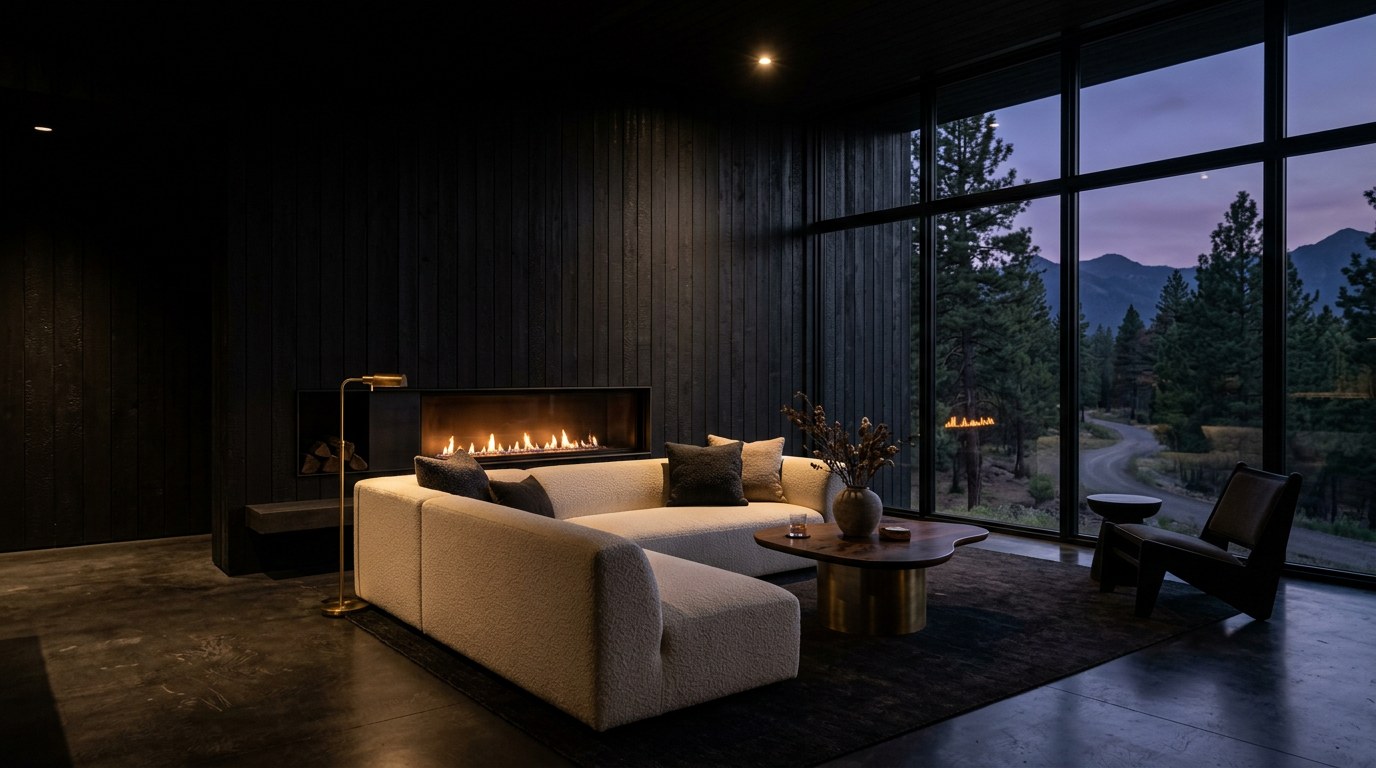
Luxurious modern living room with large green marble accent wall and sectional sofa.

Our Posts 

  • Writer: Sammy Lamont
    Sammy Lamont
  • Apr 14
  • 4 min read

Updated: Apr 16

Creating spaces that foster wellness and harmony is no longer a luxury; it is a strategic imperative for those who understand the profound impact of environment on human performance and emotional regulation. Interior design for wellness and harmony transcends aesthetics. It is a deliberate orchestration of architecture, psychology, and sensory experience to optimize wellbeing and deliver measurable ROI in lifestyle quality and property value.


The following exploration outlines how to architect interiors that serve as sanctuaries of balance and vitality. This is a discourse grounded in precision, clarity, and strategic insight—crafted for discerning homeowners and investors who demand environments that perform as well as they impress.


The Architecture of Healthy Living Design


Healthy living design is a system of spatial decisions that align with human biology and behavioral science. It begins with layout and flow—the spatial choreography that minimizes stress and maximizes ease of movement. Open plans with clear sightlines reduce cognitive load and support mental clarity. Zoning spaces for specific functions—work, rest, socializing—enhances emotional regulation by providing predictable environmental cues.


Materiality plays a critical role. Natural materials such as wood, stone, and wool engage the senses with texture and temperature regulation, promoting tactile comfort and grounding. Surfaces that reflect natural light without glare improve circadian rhythm alignment, a cornerstone of physiological wellness.


Lighting design is paramount. Layered lighting strategies that combine ambient, task, and accent lighting create adaptable environments that support varied activities and moods. Incorporating daylight through well-placed windows or skylights optimizes vitamin D synthesis and mood stabilization.


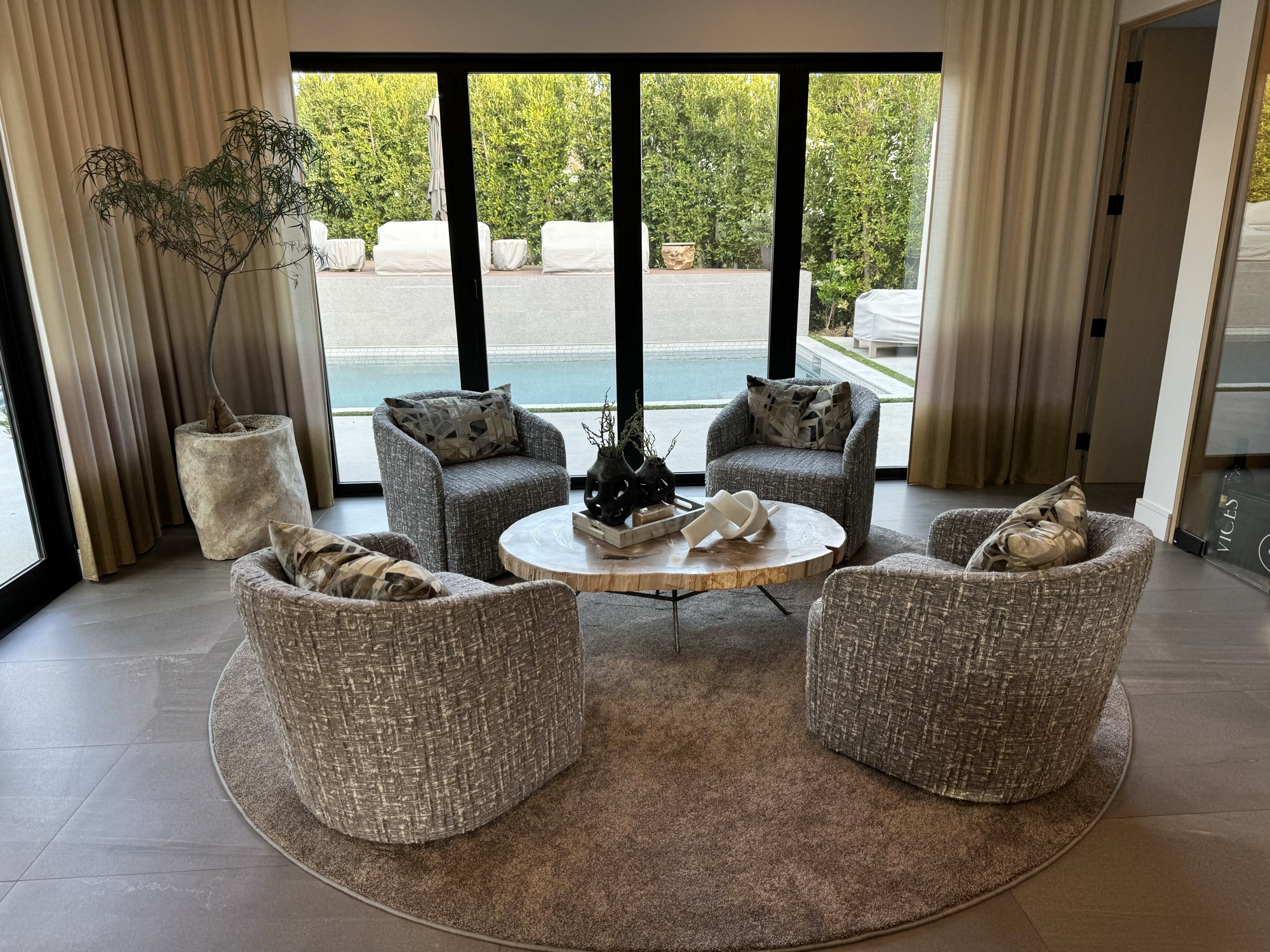
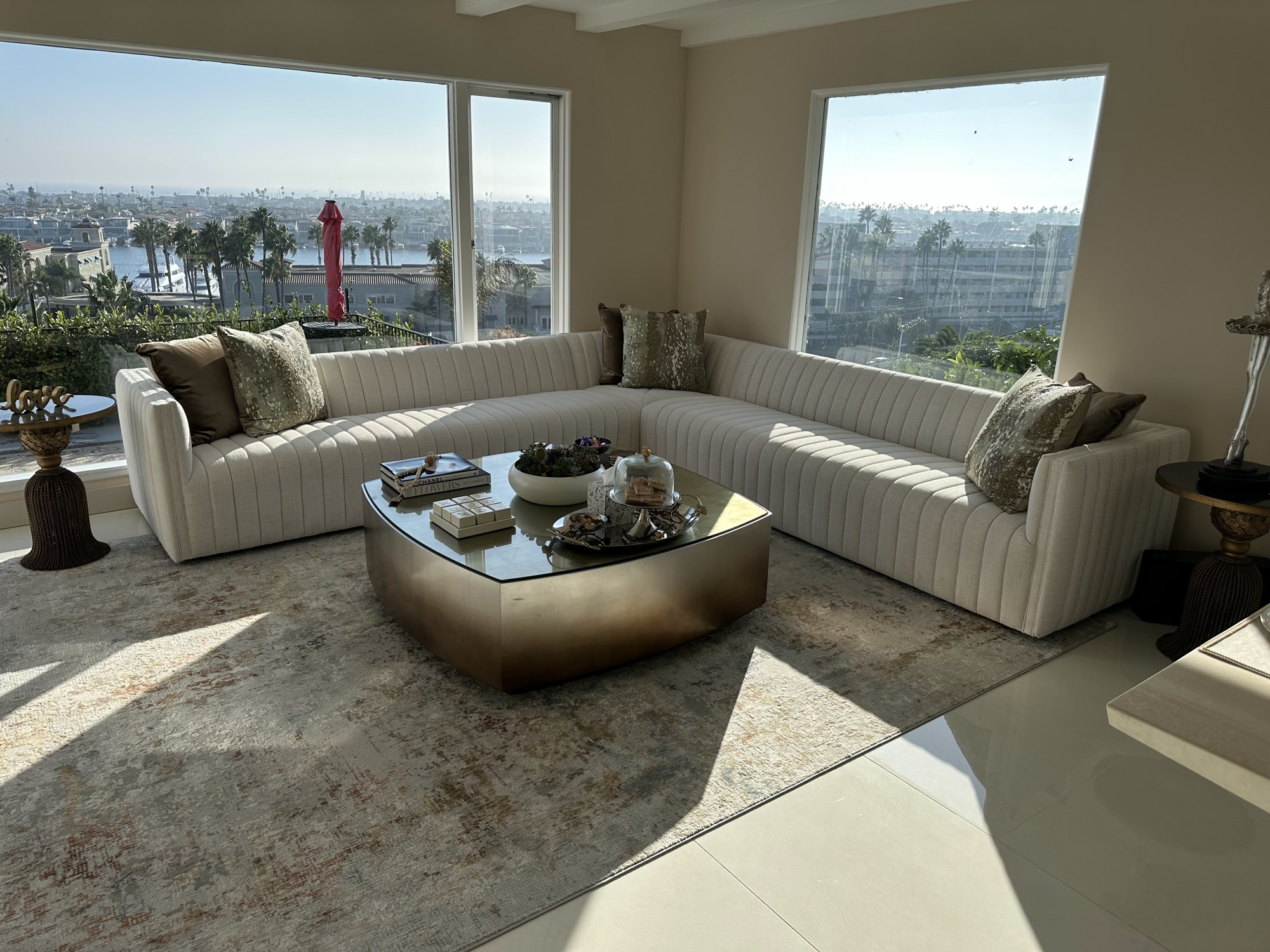
Eye-level view of a spacious living room with natural wood finishes and large windows

Strategic Color and Texture for Emotional Regulation


Color is a language of emotion and cognition. In healthy living design, color palettes are selected with psychological intent. Muted earth tones and soft neutrals create a stable backdrop that reduces visual noise and supports relaxation. Accents in cool blues or greens can lower heart rate and induce calm, while warm tones like terracotta or ochre stimulate energy without overwhelming.


Texture complements color by adding depth and sensory engagement. A velvet cushion or a woven rug introduces subtle complexity that invites touch and presence. These tactile elements anchor occupants in the moment, reducing anxiety and enhancing mindfulness.


The integration of biophilic elements—plants, water features, natural patterns—further supports emotional balance by reconnecting interiors with the natural world. This connection has been shown to reduce cortisol levels and improve cognitive function.


Spatial Acoustics and Air Quality: Invisible Pillars of Wellness


Acoustic design is often overlooked but is essential for creating harmonious interiors. Soundscapes influence concentration, stress, and sleep quality. Strategic placement of sound-absorbing materials such as acoustic panels, heavy drapes, and textured wall coverings mitigates disruptive noise. White noise machines or water features can mask intrusive sounds, creating a controlled auditory environment conducive to focus and relaxation.


Air quality is equally critical. Ventilation systems that ensure continuous fresh air exchange reduce indoor pollutants and allergens. Incorporating plants known for air purification enhances this effect. The use of low-VOC paints and finishes minimizes chemical exposure, safeguarding respiratory health.


These invisible systems are foundational to wellness interior design, delivering measurable improvements in occupant health and productivity.


Close-up view of an air purifier integrated into a modern living space

Furniture and Layout: Functional Elegance with Purpose


Furniture selection and arrangement are strategic decisions that influence physical comfort and psychological wellbeing. Ergonomic seating supports posture and reduces musculoskeletal strain, essential for long-term health. Modular furniture allows for spatial flexibility, adapting to changing needs and activities.


The layout should facilitate natural movement patterns and social interaction without congestion. Clear pathways and intentional sightlines reduce cognitive fatigue and support intuitive navigation. Incorporating elements such as adjustable desks or lounge areas encourages varied postures and breaks monotony, which is vital for sustained wellbeing.


Materials and finishes on furniture should align with the overall sensory strategy—favoring tactile warmth and durability. This approach ensures longevity and a consistent sensory experience that reinforces the space’s wellness objectives.


Integrating Technology with Psychological Insight


Technology integration in wellness-focused interiors must be seamless and unobtrusive. Smart lighting systems that adjust color temperature and intensity based on time of day support circadian health. Climate control systems that maintain optimal temperature and humidity levels enhance comfort and physiological regulation.


Sound systems designed for immersive, calming audio experiences can be programmed to deliver nature sounds or white noise, aiding relaxation and focus. However, technology should never dominate the sensory environment; it must serve as a subtle enhancer aligned with the psychological needs of occupants.


This strategic use of technology elevates the interior from a static environment to a responsive system that supports wellbeing dynamically.


Elevating Property Value Through Wellness Interior Design


Investing in wellness interior design is a strategic move with clear financial and emotional ROI. Properties designed with these principles command premium valuations and attract discerning buyers or tenants who prioritize health and quality of life.


The integration of natural materials, optimized lighting, acoustic control, and air quality systems differentiates a property in competitive markets. These features reduce long-term maintenance costs and enhance occupant satisfaction, leading to higher retention rates in rental properties.


Moreover, the narrative of wellness and harmony embedded in the design becomes a powerful marketing tool. It speaks directly to the aspirations of affluent homeowners and investors seeking environments that deliver both luxury and functional wellbeing.


The pursuit of wellness and harmony in interior design is a sophisticated endeavor that demands expertise and intentionality. By blending architectural precision, psychological insight, and sensory artistry, spaces become more than shelters—they become instruments of health and balance.


This approach is not a trend but a strategic framework for creating environments that perform on every level. It is the hallmark of intelligent design and the foundation of lasting value.


For those ready to elevate their properties with a psychology-driven design approach, the path is clear. The investment in wellness interior design is an investment in enduring quality, emotional regulation, and strategic advantage.


Explore how wellness interior design can transform your space into a sanctuary of health and harmony.


Comments

Rated 0 out of 5 stars.
No ratings yet

Add a rating
bottom of page