Understanding the Psychology of Space and color Its Impact on Human Behavior
- Sammy Lamont

- Nov 26
- 2 min read
White Color Safety
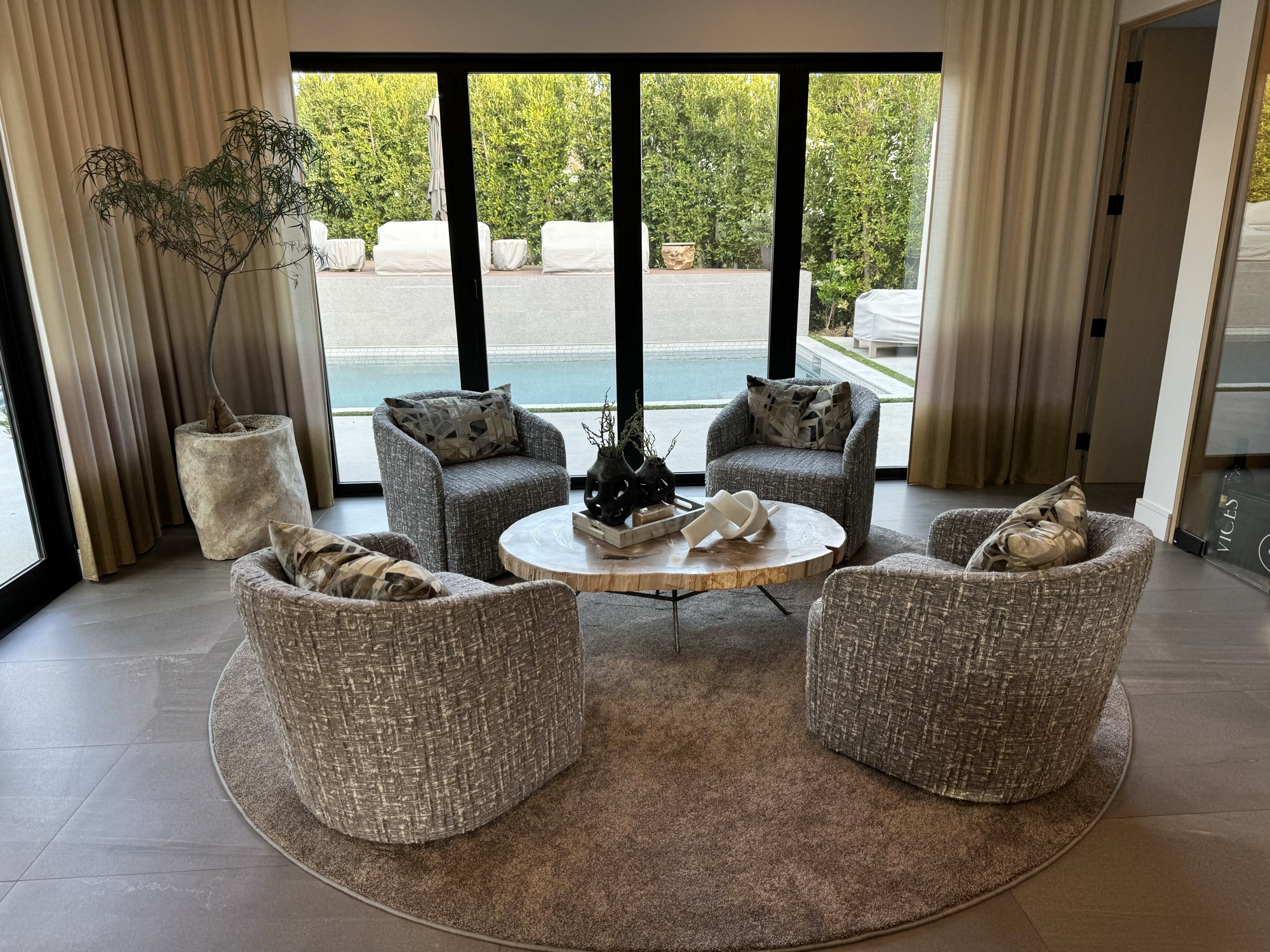
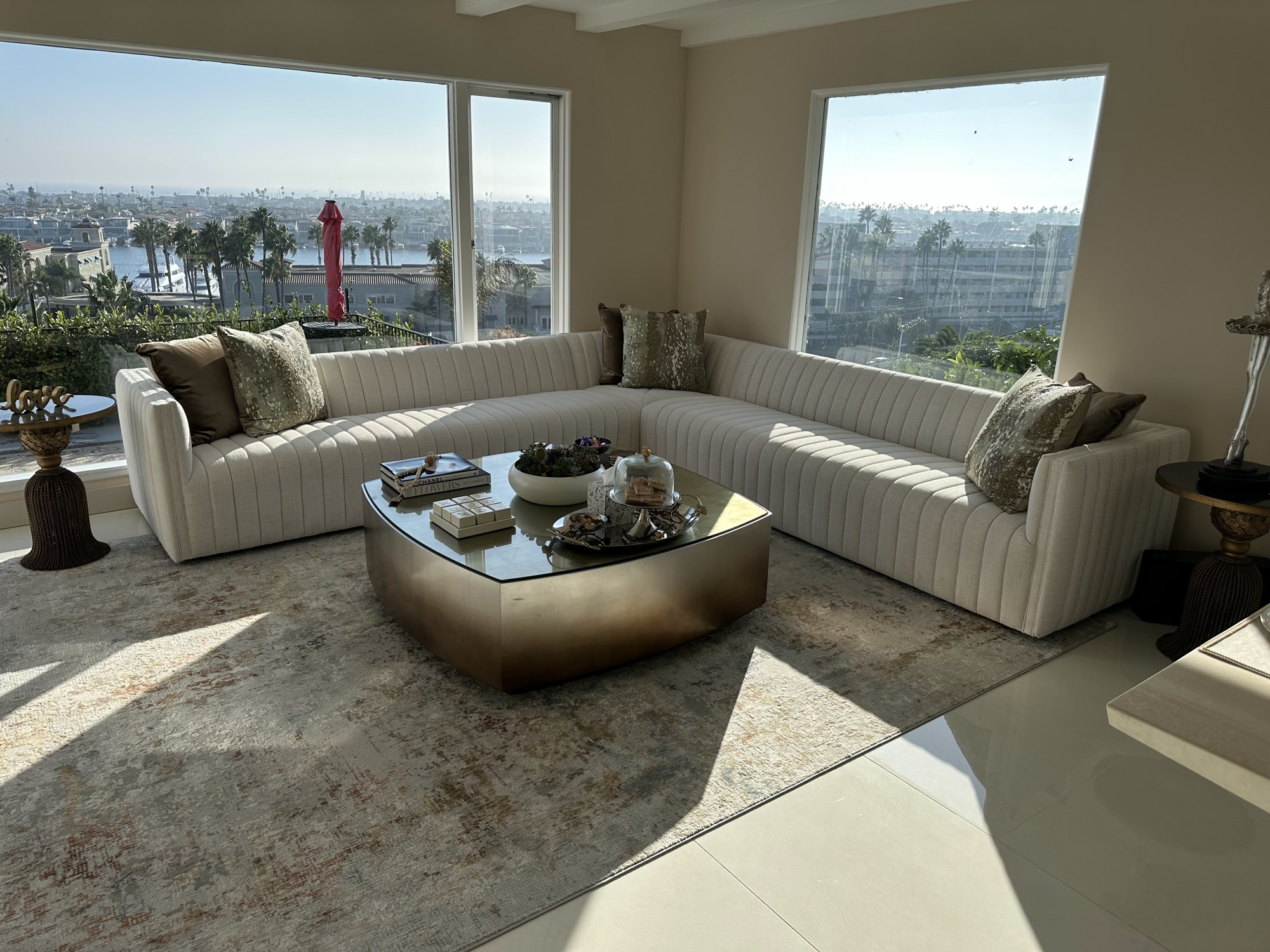
Many believe white is the safest choice, yet it can appear stark and cold. Instead, explore warmer off-whites for a comforting and inviting atmosphere in your designs with colors
Color theory can seem overwhelming. Understanding basic principles simplifies color selection. With practice and confidence, navigating color combinations becomes an enjoyable and rewarding part of the design process.
Bold Risks
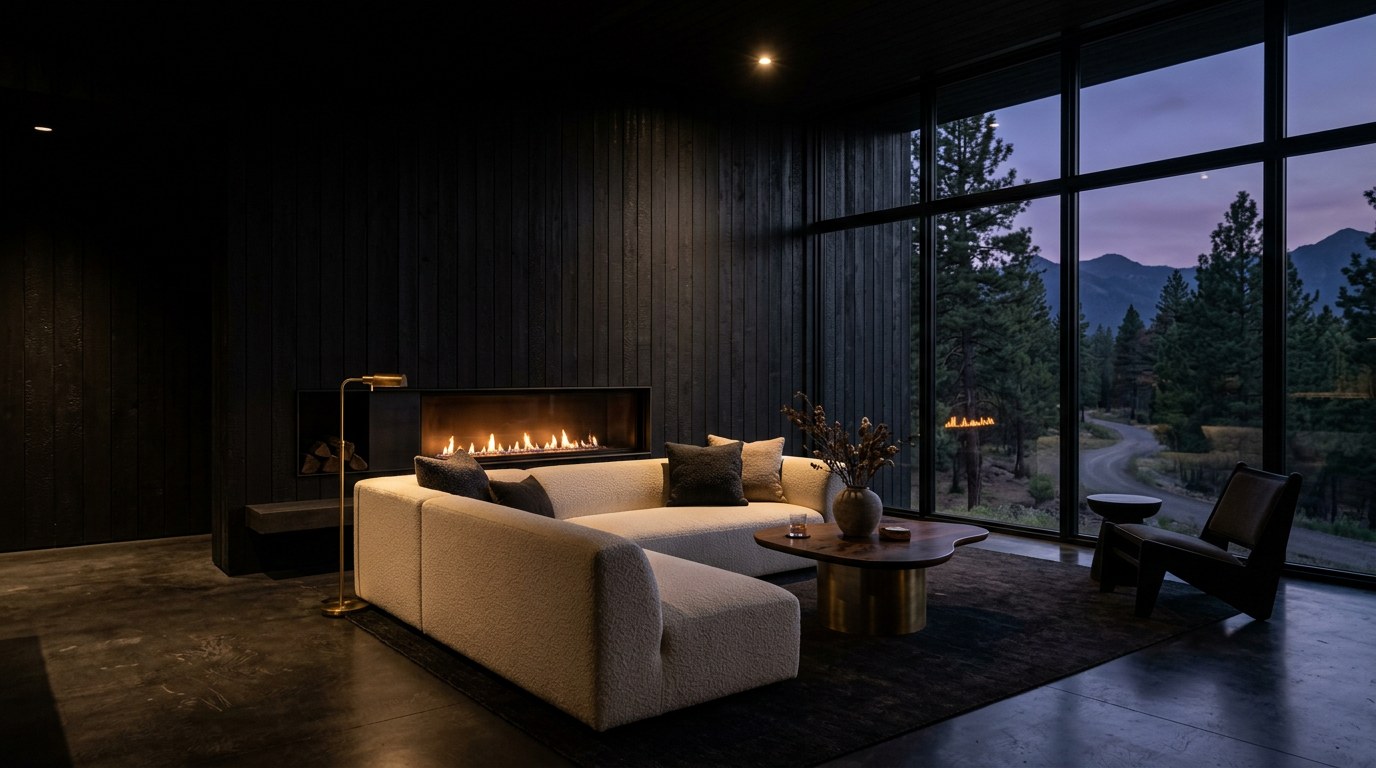
The misconception that bold colors equal risks can stifle creativity. Thoughtfully applied, bold hues can energize a space and reflect personality without overwhelming the environment.
Right Answers
The belief that there are only "right" colors can limit expression. Embrace the uniqueness of each space, allowing personal preference and context to guide your color selections.
Comfort Zones
Sticking to familiar colors feels secure, yet it can lead to uninspired spaces. Experimenting with unexpected palettes invites creativity and transformation, revealing new dimensions in design.
Separate Choices
Color and material choices should not be viewed in isolation. Harmonizing textures with colors enhances the overall aesthetic, creating a cohesive design that feels intentional and unified.

Morning
Morning light casts a soft, cool hue, revealing paint undertones.
Noon light creates bright, neutral illumination that enhances colors.
Night light shifts to warmer tones, altering room mood and appearance.
Accent Wall
A bold accent wall creates a focal point effortlessly.
Small Accessories
Incorporate small accessories to add vibrant color easily.
Testing
Always test colors in your space before committing.
Choose a color Mood
Calm
Select a soothing color like soft blue or green, paired with natural textures such as linen or wood, to create a serene atmosphere that promotes relaxation and tranquility.
Energized
Opt for vibrant hues like sunny yellow or coral, combined with bold metallic accents, to evoke a lively, invigorating environment that inspires creativity and enthusiasm in your space.

Common Mistakes & How to Avoid
Wrong Light
Selecting colors under artificial light can misrepresent their true hue. Always test paint samples in the daylight to ensure accurate color representation and avoid future disappointments.
Forgetting Color Changes
Colors can drastically alter from day to night due to changing light. Always observe how colors shift throughout the day to ensure your choices remain appealing at all times.
Ignoring Undertones
Neglecting color undertones can lead to mismatched palettes. Pay attention to warm and cool undertones in both colors and materials for harmonious combinations that elevate your designs.
Matching Everything
Overly matching colors and materials can create a lifeless space. Instead, embrace subtle contrasts and variations to build depth and character in your interior design.


Comments