top of page
Discover Your Style

Discover interior design with Unleashed Interior Design. Our experienced will guide you through the latest trends and timeless classics to create a space that reflects your and lifestyle.

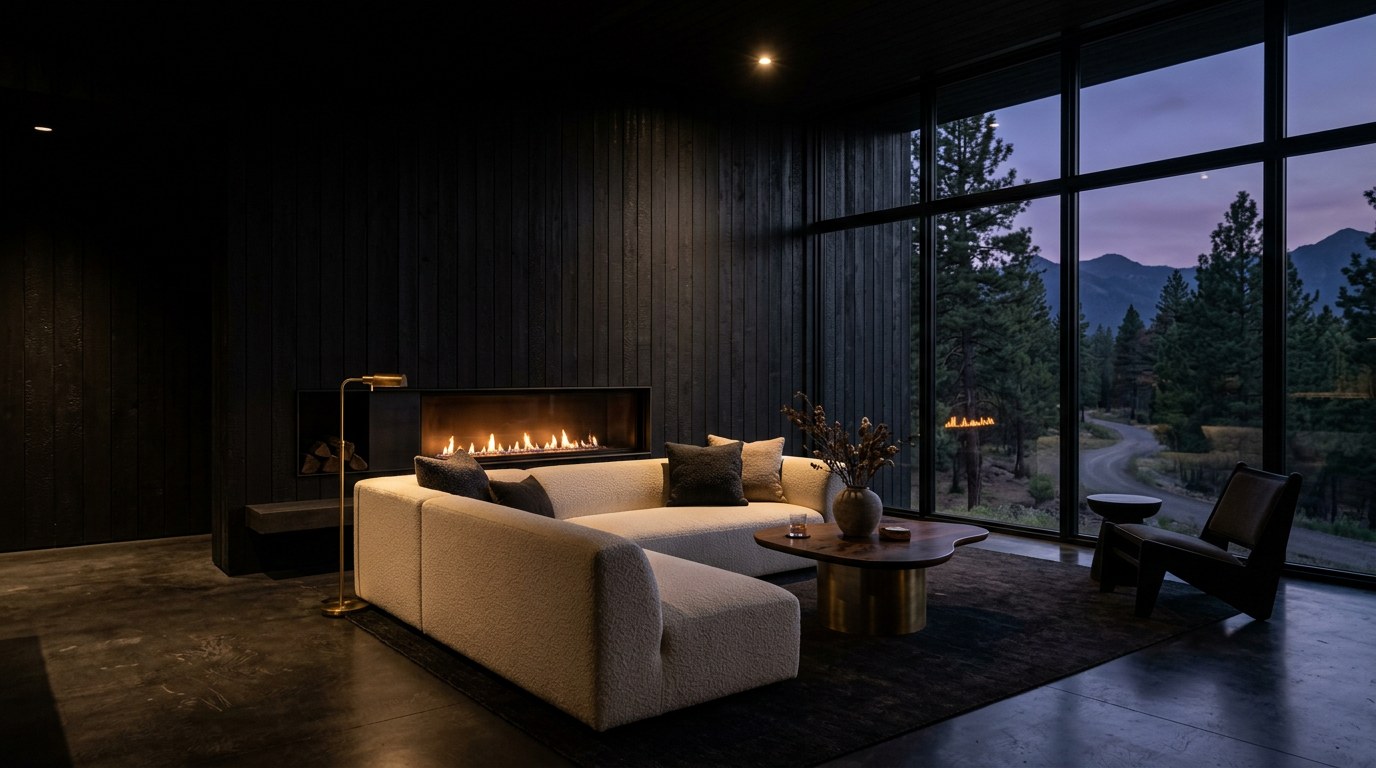
Minimalist living room

Our Posts 

The Archetype of Your Home: How Jungian Psychology Shapes the Way You Live

  • Writer: Sammy Lamont
    Sammy Lamont
  • Nov 19
  • 4 min read

Updated: 4d

Every home tells a story. The question is, is it telling yours?


Many of us think of interiors as a matter of style: mid-century, modern, classic, or eclectic. However, style is just the costume. Beneath it lies a deeper script—one written by your personality, values, and the quiet truths you carry through life.


Understanding Archetypes (Jungian Psychology)


Carl Jung, the Swiss psychiatrist who introduced the idea of archetypes, believed these patterns dwell within all of us. Archetypes are the inner characters that shape our desires, habits, and even our responses to different spaces.


When I first discovered Jung's theories, I recognized how closely they aligned with my personal experiences in design. Each place I lived reflected not only my aesthetic preferences but also my deeper psychological needs. For instance, studies show that about 70% of how we feel about our homes directly affects our overall happiness.


The Connection Between Home and Self


When your home aligns with your archetype, a significant shift occurs. You stop merely “visiting” your space and start truly inhabiting it. This transformation goes beyond aesthetics; it creates a sanctuary that nurtures your well-being.


For example, a neurodivergent individual might find comfort in a minimalist environment that reduces sensory overload. In fact, research indicates that such spaces can decrease anxiety levels by up to 40%. Conversely, someone who embodies a nurturing archetype may thrive in a cozy, inviting space filled with personal mementos, family photos, and vibrant colors.


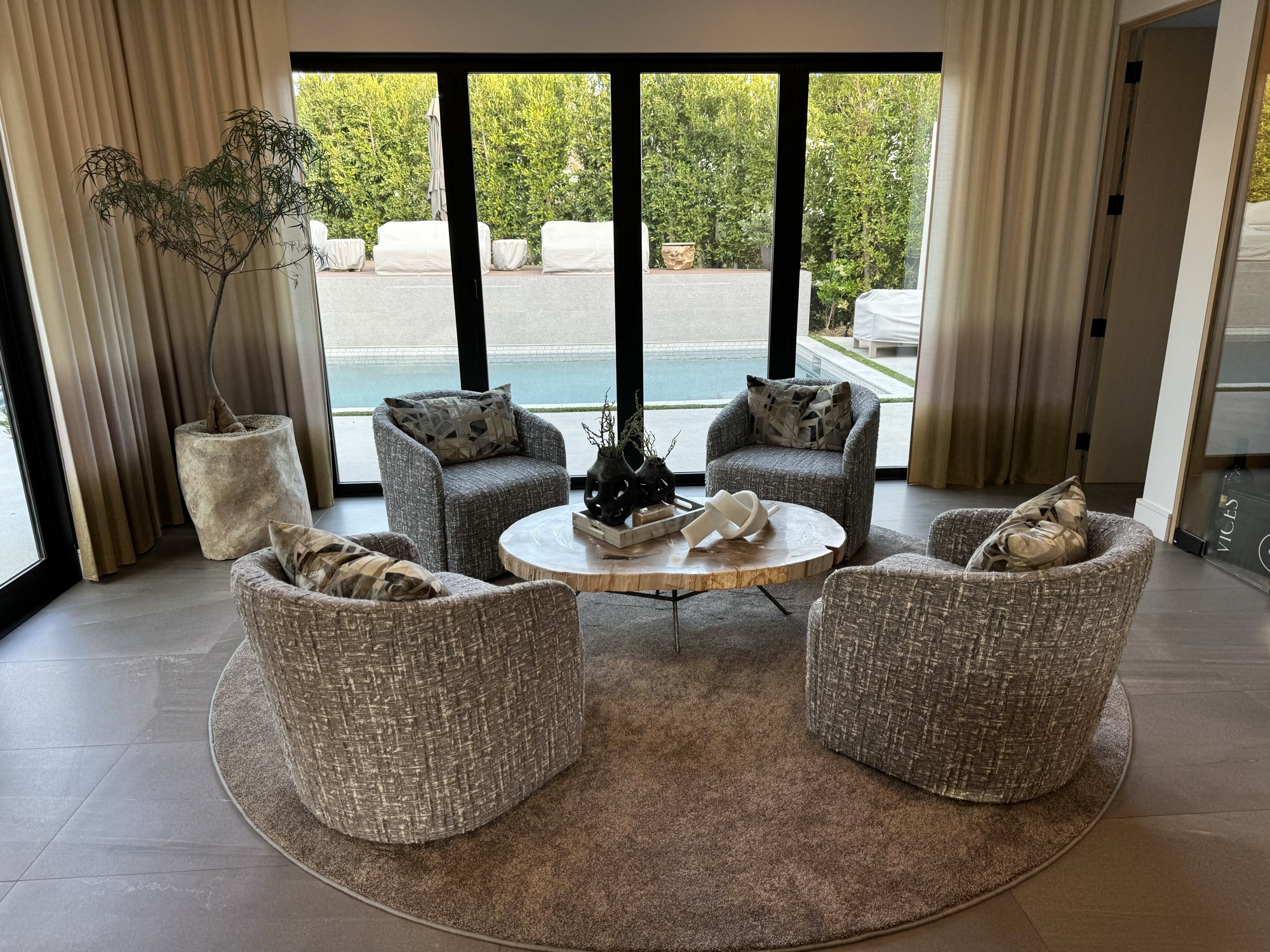
Eye-level view of a cozy living room with warm lighting
Living in Alignment

When your environment reflects your true archetype, you move through it differently. Your mornings feel more intentional. Your evenings feel more restorative. The space becomes an extension of your identity — not an afterthought. At Unleashed Interior Design, we decode this alignment through a blend of Jungian theory, chromotherapy, and spatial mastery. Because a home should be more than beautiful — it should change how you feel, think, and live.


Designing for Your Archetype


To create a home that resonates with your archetype, start by identifying what genuinely matters to you. What colors, textures, and layouts evoke feelings of comfort and joy?


Consider designing zones within your home that cater to different aspects of your personality. For example:

  • A serene reading nook can serve the introspective side of you.

  • A lively dining area can celebrate your social nature, making it ideal for gatherings with friends and family.


Including these specialized spaces can significantly impact your daily routine and overall happiness.


Healing Through Space


The concept of healing through your environment is transformative. When your home reflects your true self, it becomes a sanctuary for your well-being.


Incorporate elements that promote healing, such as:

  • Plants: Indoor plants can increase humidity and improve air quality, reducing stress.

  • Natural Light: Studies suggest that homes with ample natural light can improve mood and increase productivity by up to 15%.

  • Calming Colors: Soft blues and greens have been shown to lower blood pressure and anxiety.


I have witnessed how thoughtfully designed spaces can foster creativity and peace, making them essential for anyone seeking a higher quality of life.


Close-up view of a serene reading nook with plants
A peaceful reading nook filled with greenery

Your Home as Your Canvas


Understanding the archetype of your home goes beyond simply reflecting your style; it’s about manifesting your inner self. By applying the principles of Jungian psychology, you can create a space that not only looks good but also feels right.


As you explore your journey of self-discovery through your living space, remember that your home is a canvas. Picture it filled with the colors of your personality, the textures of your experiences, and the shapes of your dreams.


When you align your home with your archetype, you create a nurturing environment that enhances your overall well-being. So, take a moment to reflect: is your home telling your story?


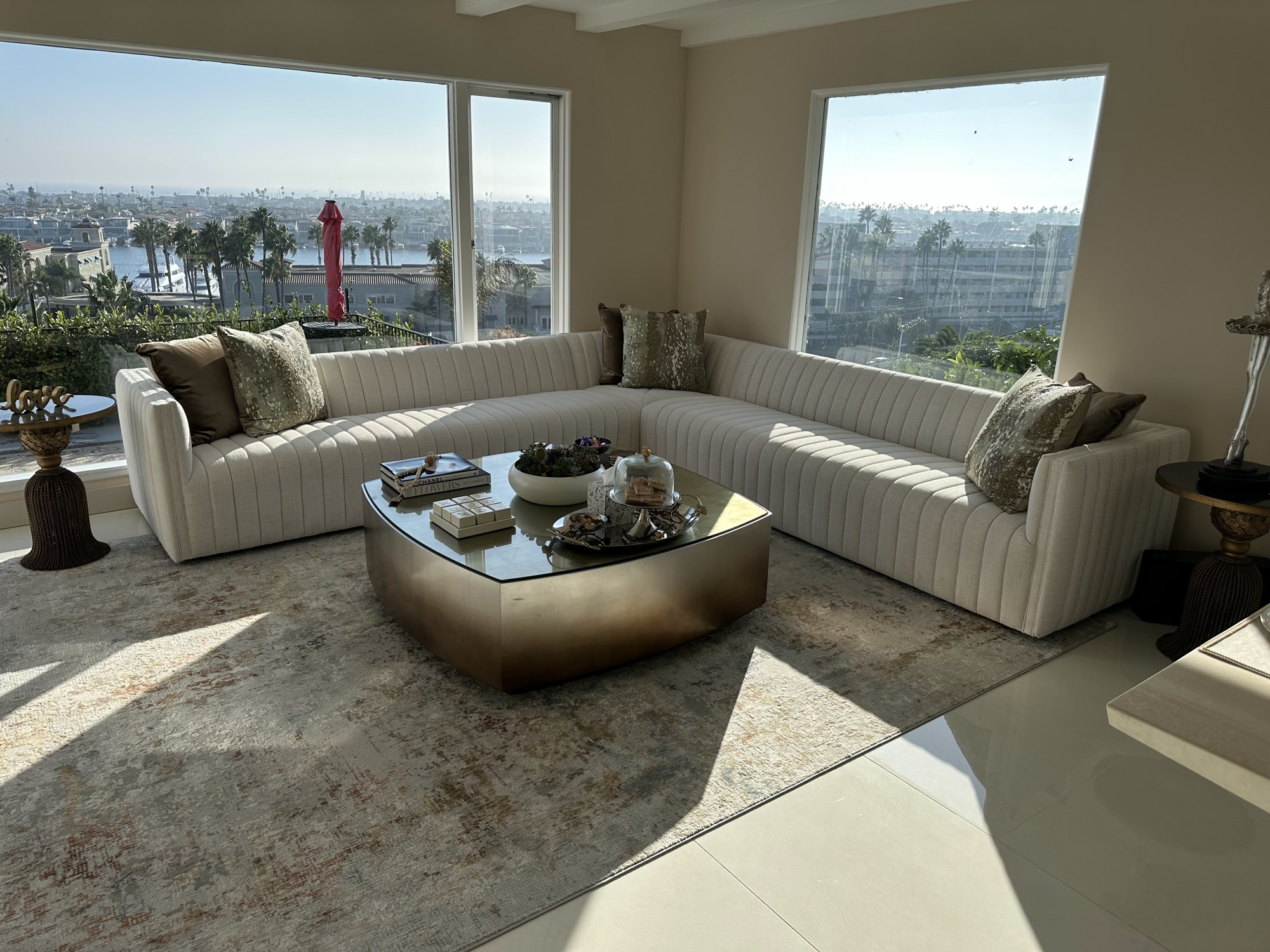
High angle view of a vibrant dining area with personal touches
A lively dining area that showcases personal style

The Art of Personalization


Personalization is key in creating a space that resonates with your essence. Each element you choose should reflect your identity and aspirations. This is where the magic happens.


Think about the art you display. Each piece should evoke a memory or emotion. Perhaps it’s a painting from a cherished vacation or a sculpture that speaks to your values. These elements tell your story, making your space uniquely yours.


The Role of Textures


Textures play a crucial role in how we experience our homes. Soft fabrics can create warmth, while sleek surfaces can evoke modernity. Consider incorporating a mix of textures to add depth and interest to your space.


Imagine a plush velvet sofa paired with a sleek glass coffee table. This contrast not only enhances the aesthetic but also invites touch and interaction.


Lighting: The Unsung Hero


Lighting is often overlooked, yet it has the power to transform a room. Natural light can uplift your mood, while soft, ambient lighting can create a cozy atmosphere.


Consider layering your lighting. Use a combination of overhead fixtures, floor lamps, and candles to create a dynamic and inviting environment.


The Emotional Impact of Design


Every design choice you make has an emotional impact. The colors you choose can influence your mood, while the layout can affect how you interact with your space.


For instance, open floor plans can foster connection and communication, while defined spaces can offer privacy and solitude. Think about how you want to feel in each area of your home and design accordingly.


The Power of Storytelling


Your home is a narrative waiting to unfold. Each room can tell a different chapter of your life. Use design elements to weave your story throughout your space.


Incorporate family heirlooms, travel souvenirs, and personal artwork. These items not only add character but also serve as conversation starters, inviting guests to engage with your story.


Conclusion: Crafting Your Unique Narrative


In conclusion, your home should be a reflection of your true self. By understanding your archetype and designing spaces that resonate with your identity, you can create a sanctuary that nurtures your well-being.


Take the time to explore your preferences and desires. Each choice you make contributes to the narrative of your home. Remember, it’s not just about aesthetics; it’s about crafting a unique experience that enhances your life.


So, as you embark on this journey of design, ask yourself: is your home telling your story?


Embrace the process, and let your home become a canvas for your life’s narrative.


A beautifully designed space that reflects personal style


Comments

Rated 0 out of 5 stars.
No ratings yet

Add a rating*
bottom of page