


Reconnecting with Nature Through Biophilic Design to Combat Overwhelm and Disconnection, understand Biopheilic design
- Matt Lamont
- Jan 2
- 2 min read

Updated: 2 days ago
I’ve noticed how many of us feel exhausted and disconnected from our own bodies. Our homes, once simple shelters, have become emotional spaces that deeply affect how we feel and behave. The constant noise, clutter, and overstimulation make it hard to relax or recharge. That’s why I turned to biophilic design—not as a trend, but as a necessary correction to the chaos we live in.
When done right, biophilic design does more than beautify a room. It helps people function better by creating calm, ordered environments that support our nervous system. Here’s what I learned about making it work in real life.
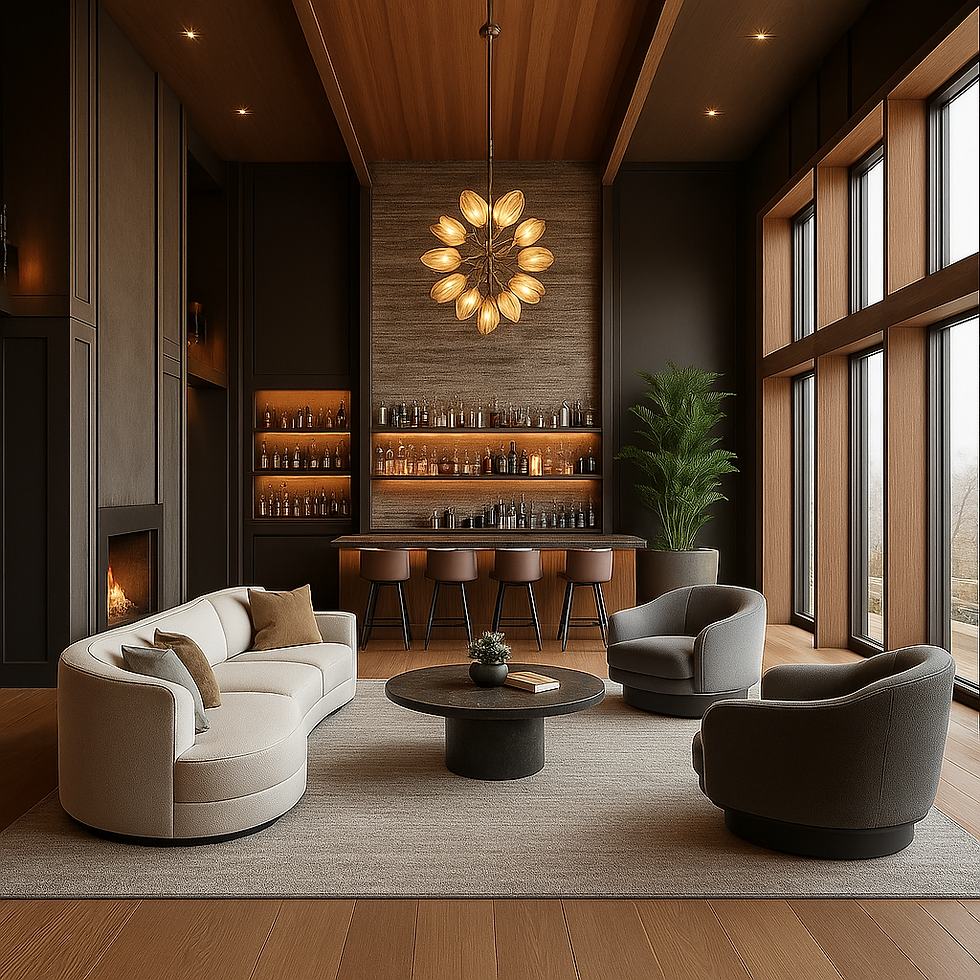
Biophilic Design

Start by Auditing Sensory Overload
Before adding plants or natural textures, I had to look closely at what was overwhelming my senses. Too many colors, patterns, or competing sounds create chaos. I walked through my home and noted where I felt tense or distracted. For example, my living room had bright artificial lights and cluttered shelves that made it hard to relax.
Fixing sensory overload means reducing noise, simplifying colors, and clearing clutter. This step sets the foundation for biophilic design to actually soothe instead of adding to the chaos.
Fix the Layout Before Adding Elements
Next, I focused on the layout. It’s tempting to fill a space with plants and natural objects, but without a clear flow, it feels messy. I rearranged furniture to create open pathways and places to sit quietly. This helped me feel grounded and less overwhelmed.
A good layout also establishes a visual hierarchy—the way your eyes move through a room. I made sure the most calming elements, like a view of my garden or a natural wood table, were easy to see and not blocked by clutter.
Control Light Before Maximizing It
Biopheilic design creation,
Natural light is a key part of biophilic design, but too much or harsh light can stress the nervous system. I installed sheer curtains to soften sunlight and added warm lamps for evening. This balance helped me feel more connected to natural rhythms without feeling exposed or overstimulated.
Design for Nervous System Regulation, Not Pinterest
It’s easy to get caught up in how a space looks on Instagram. But biophilic design is about how a space feels and supports your body. I chose textures and colors that felt calming to me, like soft greens and natural wood grains. I also added elements that engage the senses gently, such as a small indoor fountain for sound and a basket of smooth stones to touch.
Nature doesn’t heal chaos; it replaces it with order. When your home reflects this order, your body can relax and recharge.

What You Can Do Today
Walk through your home and note what feels overwhelming or chaotic.
Clear clutter and simplify colors to reduce sensory overload.
Rearrange furniture to create open, calm spaces with clear sightlines.
Adjust lighting to balance natural and soft artificial light.
Choose natural materials and textures that feel soothing to you.
Comments