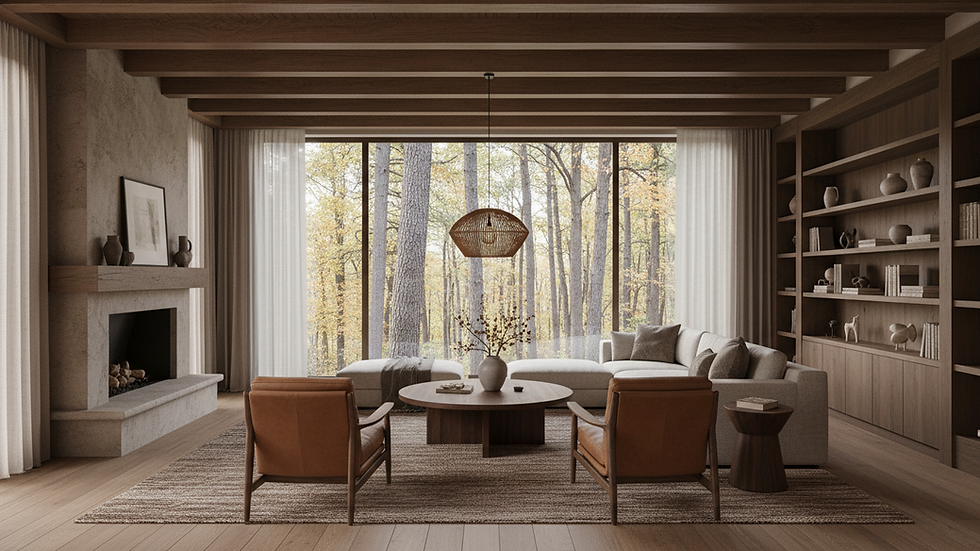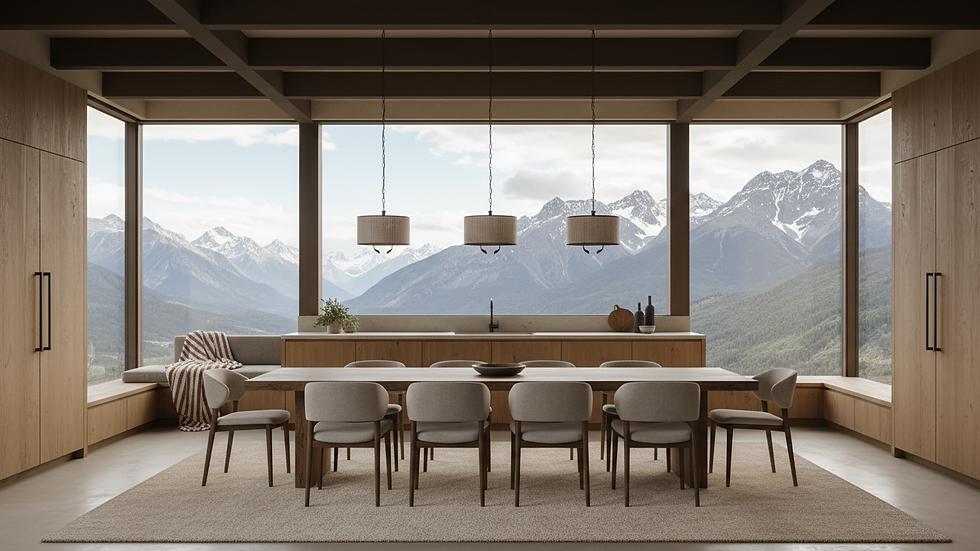
Luxury interior design in 2024 demands more than aesthetic appeal. It requires a strategic alignment of form, function, and emotional resonance. The spaces we inhabit must perform on multiple levels - enhancing wellbeing, reflecting status, and delivering measurable return on investment. This year’s modern luxury trends articulate a refined balance between architectural precision and sensory experience, crafted for discerning homeowners and investors who understand that design is a long-term asset.
The Architecture of Emotional Wellbeing in Interior Design
Design in 2024 transcends decoration. It is a deliberate orchestration of spatial psychology and materiality that regulates mood and behavior. The modern luxury home is a sanctuary engineered to optimize emotional wellbeing through controlled sensory inputs.
Natural light remains paramount, but it is now paired with advanced shading systems that modulate intensity and color temperature throughout the day. This dynamic lighting strategy supports circadian rhythms, enhancing occupant alertness and relaxation at appropriate times. Architectural elements such as vaulted ceilings and expansive windows create a sense of openness, reducing stress and fostering mental clarity.
Materials are selected for their tactile and visual qualities that engage the senses without overwhelming. Textured stone, warm metals, and matte woods provide grounding contrasts to sleek glass and polished surfaces. This interplay of textures invites touch and visual exploration, reinforcing a connection to the physical environment.

Modern Luxury Trends in Spatial Functionality
Luxury in 2024 is defined by spatial intelligence. Every square foot must justify its existence through purposeful design that anticipates lifestyle needs and maximizes usability. This is not about excess but about precision in spatial programming.
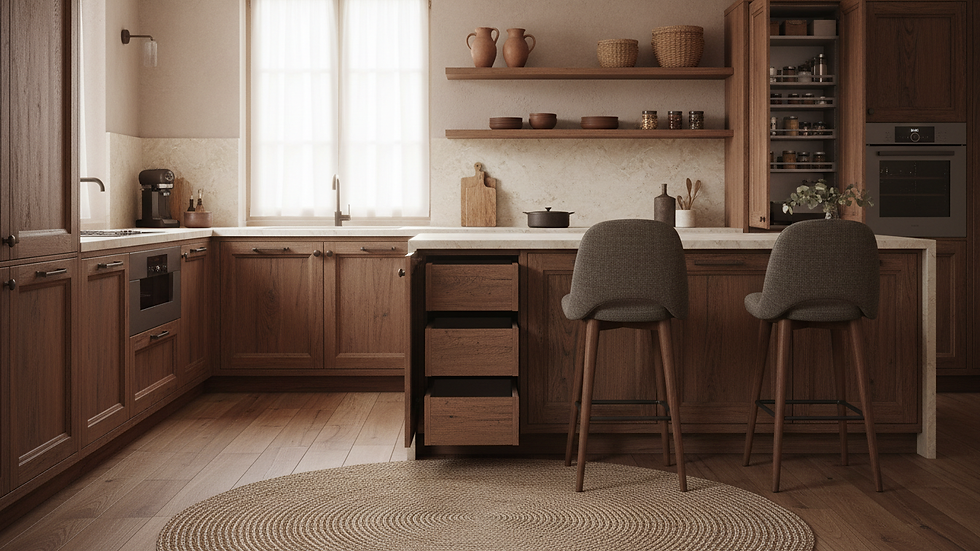
Open-plan layouts continue to evolve, integrating flexible partitions and multi-functional zones that adapt to changing activities. Home offices are no longer afterthoughts but fully integrated environments with acoustic regulation and ergonomic design. Kitchens and dining areas incorporate smart storage solutions and seamless technology integration, supporting both culinary performance and social interaction.
Outdoor living spaces are extensions of the interior, designed with architectural continuity and climate responsiveness. Automated shading, heating, and lighting systems create year-round usability, enhancing property value and lifestyle satisfaction.
Zoned lighting and HVAC systems for personalized comfort
Built-in storage that maintains clean lines and uncluttered surfaces
Acoustic treatments that balance openness with privacy
Material Innovation and Sustainability
Sustainability is no longer a trend but a baseline expectation in luxury design. However, the approach in 2024 is strategic and performance-driven rather than purely aesthetic or symbolic.
Materials are chosen for durability, low environmental impact, and their ability to age gracefully. Reclaimed hardwoods, recycled metals, and low-VOC finishes are standard. Innovations in bio-based composites and engineered stone offer superior performance with reduced ecological footprint.
Beyond materials, systems integration plays a critical role. Energy-efficient HVAC, water recycling, and smart home automation contribute to operational savings and environmental responsibility. These elements enhance ROI by reducing utility costs and increasing property desirability.
The tactile experience of materials remains paramount. Surfaces that respond to touch and light create a sensory narrative that elevates the space beyond visual appeal.
The Role of Art and Customization
Art in luxury interiors is a strategic asset, not mere decoration. It serves as a narrative device that personalizes space and signals cultural capital. In 2024, bespoke art installations and curated collections are integrated into architectural frameworks, creating immersive environments.
Customization extends beyond art to furniture and fixtures. Tailored pieces that reflect the client’s identity and lifestyle preferences reinforce exclusivity and emotional connection. This approach ensures that every element contributes to a cohesive story, enhancing the psychological impact of the environment.
Strategic placement of art and custom elements also influences spatial perception and flow, guiding movement and focus within the home.
Technology as a Seamless Experience
Technology in luxury interiors is invisible yet omnipresent. The 2024 approach prioritizes seamless integration that enhances comfort, security, and efficiency without disrupting aesthetic harmony.
Smart home systems control lighting, climate, security, and entertainment through intuitive interfaces. Voice and gesture controls reduce friction, allowing occupants to engage with their environment effortlessly. Advanced sensors monitor air quality, occupancy, and energy use, enabling real-time adjustments that optimize performance.
This technological sophistication supports wellbeing and convenience, reinforcing the home’s role as a high-functioning asset.
Designing for Lasting Value and Emotional Impact
The ultimate measure of these modern luxury trends is their ability to deliver lasting value. This is achieved through design decisions that balance immediate sensory gratification with long-term performance and adaptability.
Every material choice, spatial configuration, and technological integration is evaluated for its contribution to ROI, occupant wellbeing, and narrative coherence. The result is a home that commands premium market positioning and sustains emotional engagement over time.
This strategic approach to design ensures that luxury is not fleeting but enduring - a true investment in lifestyle and legacy.
The 2024 landscape of luxury interior design is defined by intelligent restraint and purposeful innovation. It is a discipline that blends psychology, architecture, and artistry to create environments that perform on every level. For those seeking to elevate their properties with precision and depth, these modern luxury trends offer a blueprint for success.
Explore more about luxury interior design trends to understand how strategic design can transform your space into a high-value asset.