


- Sammy Lamont

- Mar 16
- 4 min read
Designing interiors that promote wellbeing is no longer a niche pursuit. It is a strategic imperative for those who understand that the built environment directly influences emotional regulation, cognitive performance, and overall quality of life. In this discourse, I will outline how health-focused interiors can be crafted with precision, integrating architectural rigor and psychological insight to deliver spaces that perform on every level.
The Architecture of Wellbeing: Foundations of Health-Focused Interiors
Health-focused interiors begin with a clear understanding of how spatial configurations affect human behavior and physiology. The layout must facilitate natural movement, reduce cognitive load, and support sensory balance. This means prioritizing:
Spatial clarity: Clear sightlines and logical flow reduce stress and enhance orientation.
Natural light optimization: Daylight regulates circadian rhythms, improving sleep and mood.
Acoustic control: Sound dampening materials and strategic placement minimize disruptive noise.
Air quality management: Ventilation systems and non-toxic materials maintain respiratory health.
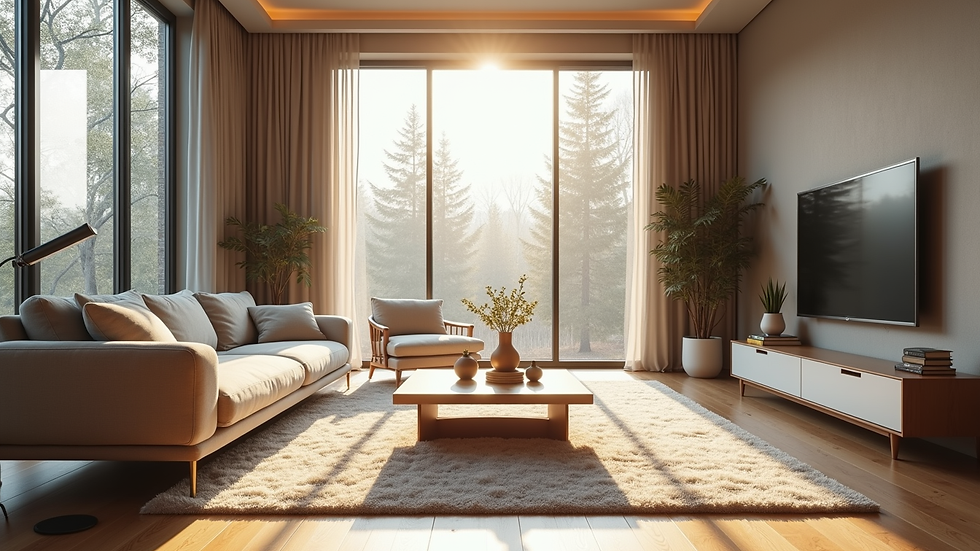
Each element is a deliberate choice aimed at optimizing the occupant’s physiological and psychological state. For example, a well-placed window not only illuminates but also frames a natural view, anchoring the mind and reducing mental fatigue.
Materiality and Sensory Regulation in Health-Focused Interiors
Material selection is a critical vector in the design of health-focused interiors. Surfaces and finishes communicate tactile and olfactory cues that influence emotional states and sensory processing. The strategy here is to employ materials that:
Support tactile comfort: Soft textiles and smooth finishes reduce sensory irritation.
Minimize chemical exposure: Low-VOC paints and natural fibers prevent toxic load.
Enhance thermal comfort: Materials with appropriate thermal mass regulate temperature fluctuations.
Provide visual calm: Neutral palettes and subtle textures avoid overstimulation.
Consider a flooring choice: natural hardwood with a matte finish offers warmth and grounding without glare or harshness. This choice supports both physical comfort and visual ease, contributing to a balanced sensory environment.
Integrating Nature: Biophilic Design as a Performance Enhancer
Incorporating natural elements is not a trend but a scientifically validated approach to improving wellbeing. Biophilic design reconnects occupants with nature, which has measurable effects on stress reduction, cognitive restoration, and emotional regulation. Key strategies include:
Indoor plants: Improve air quality and introduce dynamic visual interest.
Natural materials: Stone, wood, and water features create multisensory engagement.
Views and access to outdoor spaces: Visual and physical connection to nature enhances mood and productivity.
Daylight modulation: Use of shading devices and light shelves to balance illumination.
The ROI of biophilic elements is evident in increased occupant satisfaction and reduced absenteeism in residential and commercial settings alike.

Strategic Lighting and Color: Modulating Emotional and Cognitive States
Lighting and color are powerful tools in the health-focused interior designer’s arsenal. They influence circadian rhythms, alertness, and emotional tone. The approach is to design lighting systems and color schemes that:
Support circadian health: Tunable LED lighting that mimics natural daylight cycles.
Enhance task performance: Layered lighting with adjustable intensity and direction.
Regulate emotional response: Colors selected for their psychological impact, such as muted blues for calm or warm neutrals for comfort.
Reduce visual fatigue: Avoidance of glare and harsh contrasts.
For instance, a layered lighting plan combining ambient, task, and accent lighting allows occupants to tailor their environment to their needs, improving focus and relaxation as required.
Technology and Wellness: Intelligent Systems for Adaptive Environments
The integration of technology in health-focused interiors is not about gadgets but about systems that adapt to occupant needs and environmental conditions. Intelligent design incorporates:
Environmental sensors: Monitor air quality, temperature, and light levels to maintain optimal conditions.
Automated shading and ventilation: Respond dynamically to external weather and internal occupancy.
Personalized controls: Allow users to adjust settings for comfort and performance.
Data-driven insights: Inform ongoing adjustments and maintenance for sustained wellbeing.
This systems-based approach ensures that the interior environment remains aligned with occupant health goals, maximizing the return on investment through enhanced comfort and reduced energy consumption.
Elevating Spaces with Wellness Interior Design
The discipline of wellness interior design synthesizes these principles into a cohesive strategy. It is a deliberate, evidence-based practice that transcends aesthetics to deliver measurable benefits in emotional regulation, cognitive clarity, and physical health. By applying this approach, spaces become instruments of wellbeing, not just containers of activity.
Designing for Longevity: The Business Case for Health-Focused Interiors
Investing in health-focused interiors yields tangible returns beyond immediate occupant satisfaction. These include:
Increased property value: Health-conscious design is a premium feature in luxury markets.
Higher occupancy rates: Wellbeing-oriented spaces attract discerning tenants and buyers.
Reduced maintenance costs: Durable, non-toxic materials and intelligent systems lower lifecycle expenses.
Enhanced brand reputation: Demonstrating commitment to occupant health differentiates properties in competitive markets.
Strategic design decisions grounded in psychological and architectural expertise create environments that perform consistently over time, supporting both wellbeing and financial objectives.
The Future of Interior Design: A Strategic Imperative
The trajectory of interior design is clear - spaces must do more than look good. They must function as ecosystems that support human health and performance. This requires a shift from decorative impulses to strategic, evidence-based interventions. By embracing health-focused interiors, we position ourselves at the forefront of a movement that values precision, clarity, and measurable impact.
The opportunity lies in crafting environments that are not only visually compelling but also deeply aligned with the physiological and psychological needs of their occupants. This is the hallmark of design mastery and the foundation of lasting value.
This exploration of health-focused interiors underscores the importance of integrating architectural systems, sensory regulation, and technology to create spaces that elevate wellbeing. The approach is methodical, grounded in science, and executed with artistic restraint - a true luxury experience that delivers on every promise.


Comments