top of page

Discover Your Style

Discover interior design with Unleashed Interior Design. Our experienced will guide you through the latest trends and timeless classics to create a space that reflects your and lifestyle.

Unique living room.jpg

Our Posts 

Creating Emotional Sanctuaries: The 2026 Interior Design Shift Towards Feeling Over Looks

  • Writer: Sammy Lamont
    Sammy Lamont
  • 2 days ago
  • 4 min read

Many people wonder why their homes look beautiful but still don’t feel quite right. This disconnect between appearance and comfort is becoming a central question in interior design today. In 2026, the focus is shifting from purely visual style to how spaces make us feel. Interiors are now crafted around emotions, nervous system regulation, and the way light and layout influence our mood. This change means homes support our well-being, not just our Instagram feeds.


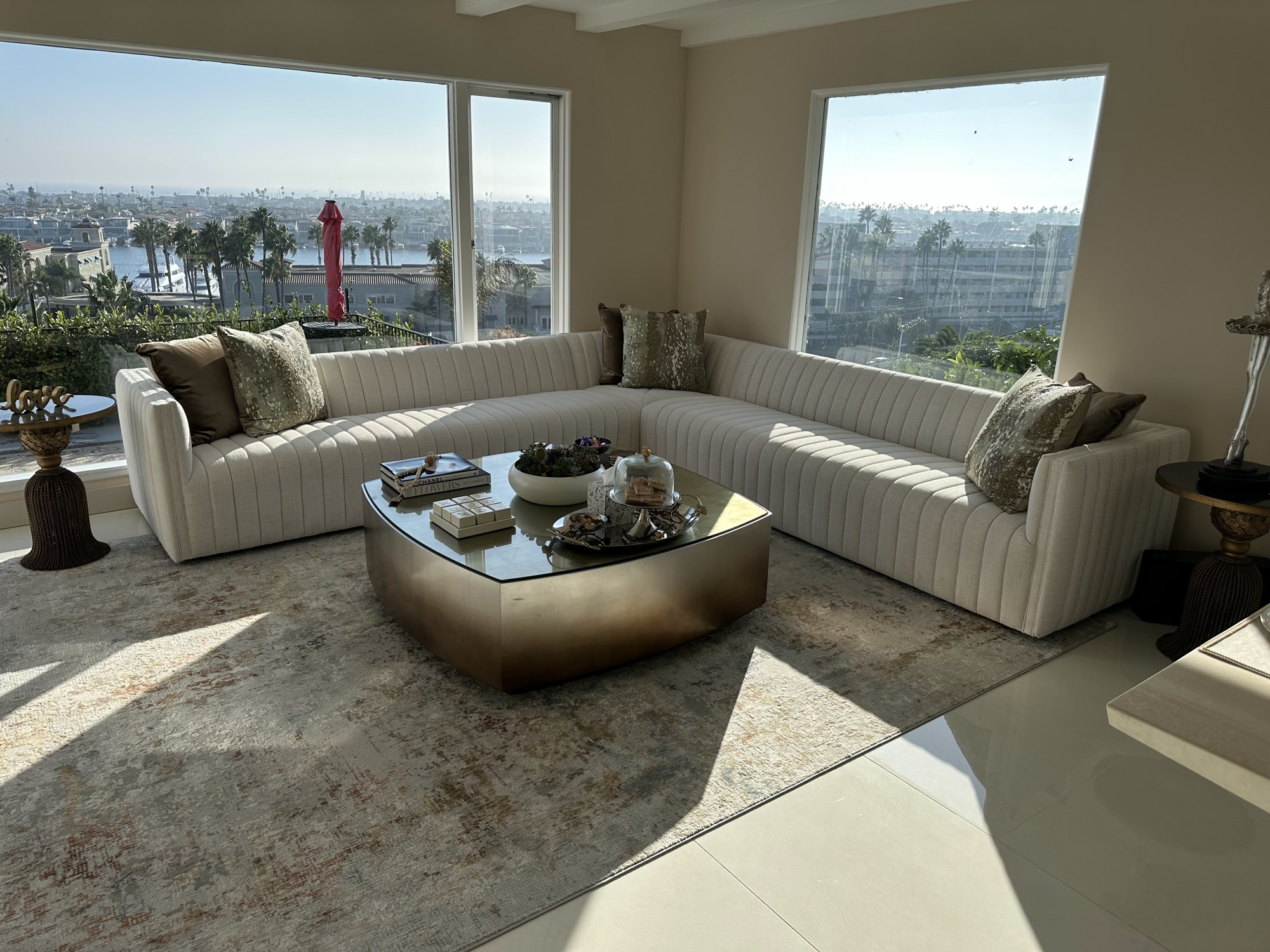
Bright living room with beige sofas, wooden tables, and a large window with curtains. A potted plant and framed wreath art add decor.
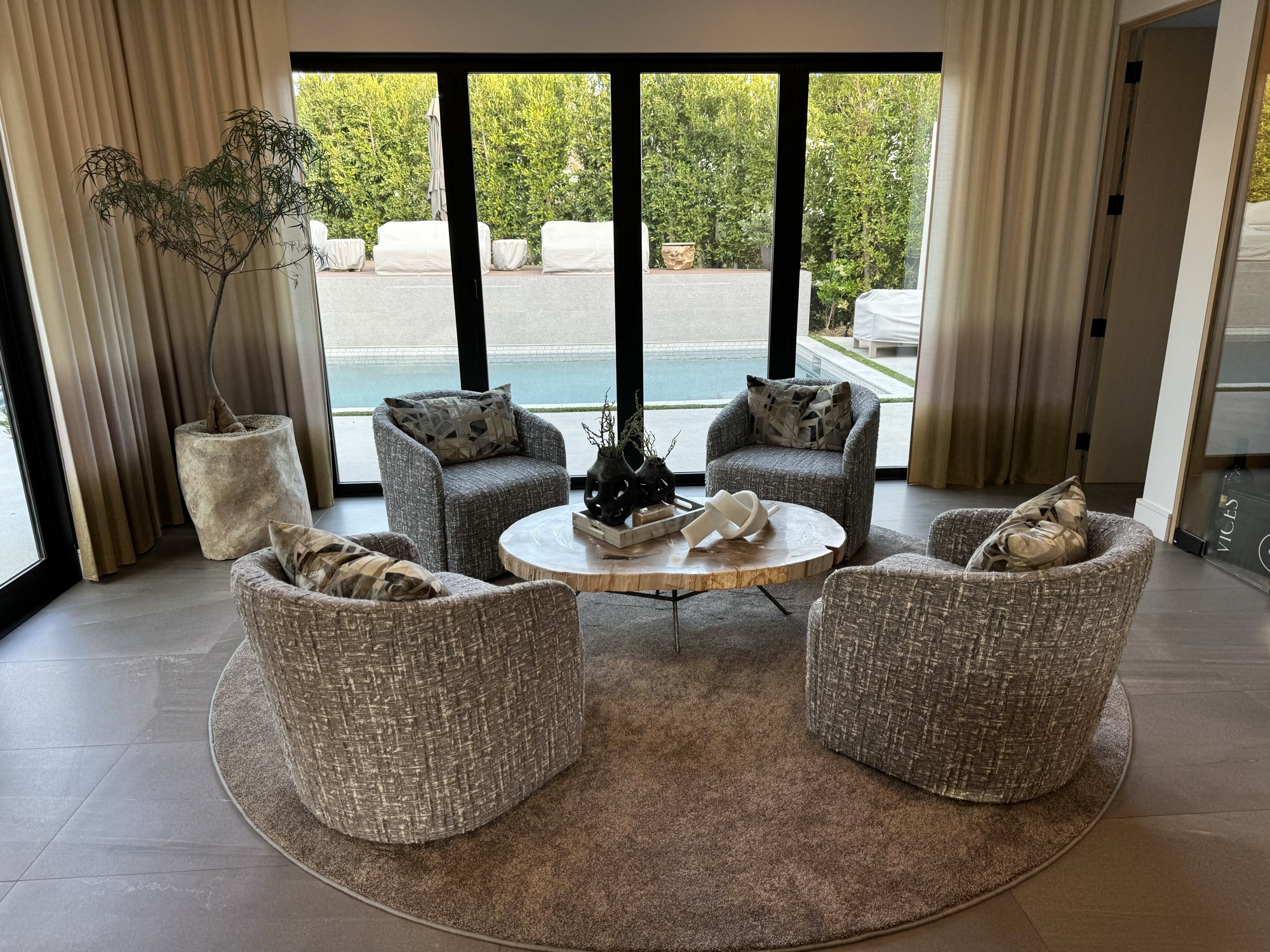
A living room designed to evoke calm and comfort with natural light and soft textures

Emotional Zoning: Designing Spaces That Match How You Feel


Emotional zoning means dividing a home into areas that support different feelings and activities. Instead of focusing on matching furniture or color trends, designers now think about how each zone affects your mood and nervous system.


  • Calm zones for relaxation use soft textures, muted colors, and dimmable lighting. These spaces help reduce stress and encourage rest.

  • Active zones for work or creativity feature brighter light, ergonomic furniture, and stimulating colors to boost focus and energy.

  • Social zones balance comfort and openness to encourage connection without overwhelming the senses.


For example, a bedroom might have blackout curtains and soft bedding to promote deep sleep, while a home office uses adjustable daylight lamps and minimal distractions to improve productivity. This approach helps people feel more grounded and balanced throughout the day.


Nervous System Regulation Through Interior Design


Our nervous system reacts to the environment in subtle ways. Certain colors, lighting, and spatial arrangements can either calm or activate our nervous system. Interiors in 2026 are designed to support nervous system regulation, helping occupants manage stress and anxiety naturally.


  • Warm, natural light mimics sunlight and supports circadian rhythms, improving sleep and mood.

  • Soft, rounded furniture and natural materials like wood and stone create a sense of safety and comfort.

  • Quiet corners with sound-absorbing materials reduce noise pollution, lowering stress levels.


Research shows that environments designed with nervous system health in mind can reduce cortisol levels and improve overall well-being. This means homes are no longer just places to live but places that actively support mental health.


Why Layout and Lighting Matter More Than Trends


Trends come and go, but the way a space is laid out and lit has a lasting impact on how it feels. In 2026, designers prioritize these elements over surface style.


  • Layout affects flow and how easily people move through a space. Open, uncluttered layouts reduce cognitive overload and create a sense of freedom.

  • Lighting influences mood and energy. Layered lighting with options for brightness and warmth allows people to adjust their environment to their needs.


For example, a kitchen with a clear path between work zones and natural light from large windows feels more inviting and less stressful than a cramped, poorly lit one. Similarly, living rooms with multiple light sources can shift from bright and social to soft and intimate with a flick of a switch.


Spaces Should Support How You Feel, Not Just How They Photograph


In the age of social media, many homes are designed to look perfect in photos. But a space that looks good on camera might not feel good to live in. The 2026 interior design philosophy challenges this by focusing on emotional support rather than aesthetics alone.


  • Materials are chosen for touch and comfort, not just appearance.

  • Furniture prioritizes ergonomics and emotional comfort.

  • Colors are selected for their psychological effects, not just trendiness.


This approach means homes become personal sanctuaries tailored to individual needs. A living room might feature a plush sofa that invites sinking in after a long day, even if it doesn’t match the latest color palette. The goal is to create spaces that feel alive and nurturing.


Practical Tips to Create Emotionally Supportive Interiors


If you want your home to feel right in 2026, consider these practical steps:


  • Map your emotional zones: Identify which rooms or corners you want for relaxation, work, socializing, or creativity.

  • Use lighting strategically: Incorporate natural light where possible and add adjustable lamps to control brightness and warmth.

  • Choose materials that soothe: Soft fabrics, natural wood, and plants can help calm your nervous system.

  • Simplify your layout: Remove clutter and create clear pathways to reduce mental fatigue.

  • Personalize your space: Add items that bring you joy or comfort, like favorite books, art, or textiles.


By focusing on how your home supports your feelings, you can create a space that truly feels like yours.


The Future of Interior Design Is Emotional Well-being


The shift toward emotional zoning and nervous system regulation marks a new era in interior design. Homes in 2026 are no longer just about style or trends but about creating environments that nurture mental and emotional health. This approach helps people feel more connected to their spaces and themselves.


Designers and homeowners alike are learning that the best interiors are those that support how we feel every day. When layout, lighting, and materials work together to regulate mood and energy, homes become places of true comfort and healing.


Comments

Rated 0 out of 5 stars.
No ratings yet

Add a rating
bottom of page