Creating a Sanctuary of Desire: Embracing the Lover Archetype in Interior Design (Psychology interior design)
- Sammy Lamont

- 12 hours ago
- 4 min read
Psychology interior design, when most people think about decorating a home, they imagine a “nice space” that looks good and functions well. But for those who identify with the Lover archetype, a home is much more than that. It’s a sanctuary that must feel like an embrace, a place where emotional warmth and connection are the foundation. The Lover does not seek impressiveness or cold minimalism. Instead, they crave intimacy, softness, and a sense of being wanted.
This post explores how to turn your home into a sanctuary of desire by embracing the Lover archetype in interior design. You will learn what the Lover archetype means psychologically, what kind of environment it needs, and practical ways to create a space that invites closeness and emotional safety.

Understanding Psychology interior design

The Lover archetype is drawn to emotional intensity, beauty, and deep connection. Unlike other archetypes that might prioritize order, efficiency, or bold statements, the Lover seeks environments that feel warm, romantic, and “lit from within.” This means the space should evoke feelings of being cherished and safe.
Psychologically, people who resonate with the Lover archetype tend to score high in openness. They are sensitive to art, color, and energy in a room. They also have high agreeableness, meaning they care deeply about how others feel in the space. This sensitivity acts like a radar, quickly detecting whether a room says “Come closer” or “You’re on your own.”
If a space does not meet these emotional needs, the Lover may feel overstimulated, under-nurtured, or quietly lonely even when surrounded by beautiful furniture.
What the Lover’s Nervous System Craves in a Room
The Lover archetype does not want a sterile museum or a showroom. It wants a sanctuary for connection and emotional safety. Here are the key elements that satisfy the Lover’s nervous system:
Containment and Spaces Within Spaces
The Lover feels most comfortable in rooms that offer a sense of containment. This means creating smaller, intimate zones within larger rooms. Examples include:
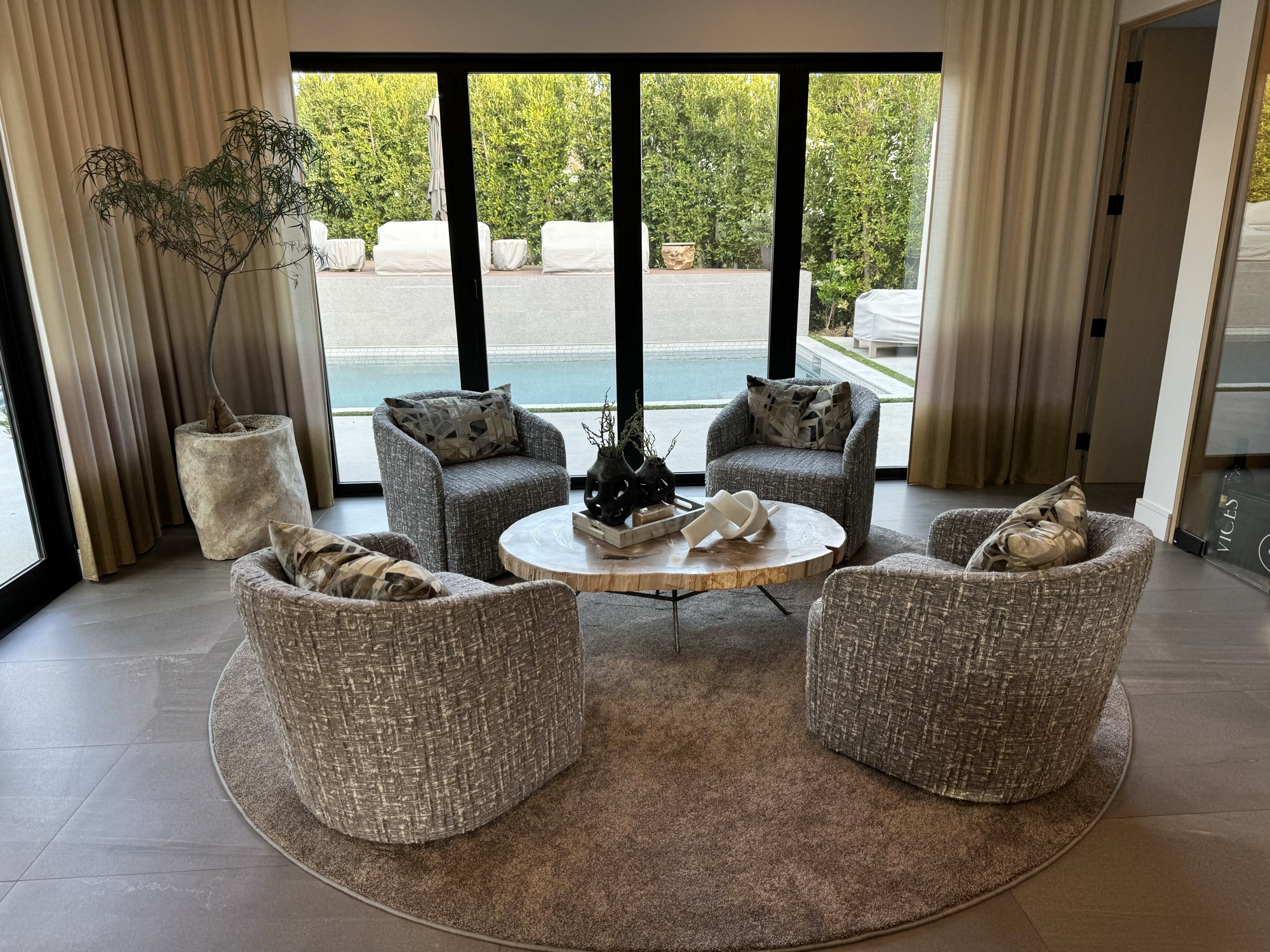
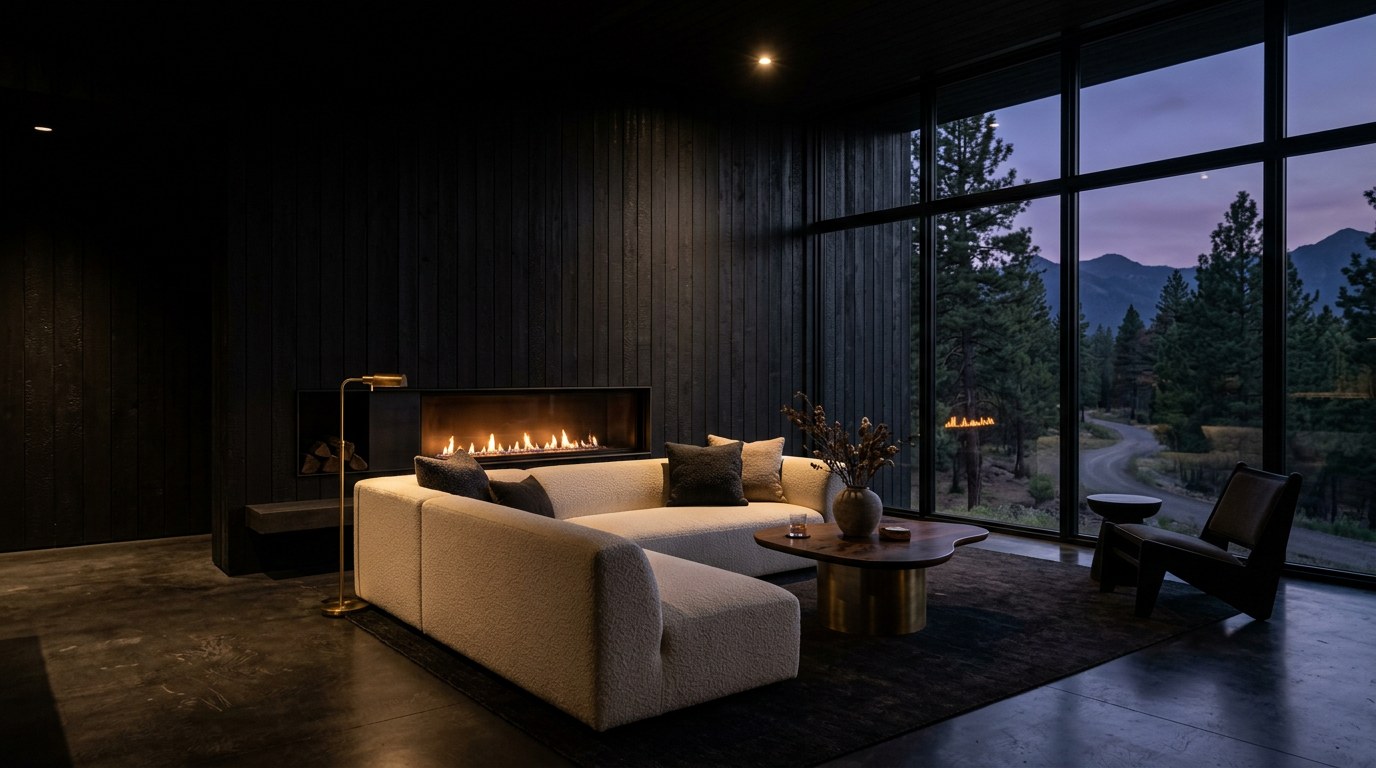
A curved sofa arranged around a fireplace that invites conversation
A reading nook with a soft ottoman and a cozy throw
A bedroom where the bed feels anchored and protected, not floating in the middle of the room
These spaces within spaces create a feeling of being held and protected, which is essential for the Lover’s comfort.
Soft Visual Rhythm
Lovers are naturally drawn to curves, waves, arches, and layered textiles. These shapes and textures create a gentle visual rhythm that feels nurturing. Sharp angles, harsh contrasts, and stark lines can feel like emotional threats rather than modern design.
Consider furniture with rounded edges, curtains with soft folds, and rugs with subtle patterns. Layering different textures such as velvet cushions, wool throws, and silk curtains adds depth and invites touch.
Warmth and Glow
Harsh overhead lighting and blue-white bulbs feel cold and emotionally abandoning to the Lover. Instead, warm light sources, dimmers, and candles create a soothing glow that calms the body and mind.
Walls painted in soft, warm tones rather than stark white or gray also help create a sense of emotional warmth. Think of colors like muted terracotta, soft blush, or warm beige.
Practical Tips to Design a Lover Sanctuary
Here are some actionable ideas to bring the Lover archetype to life in your home:
Choose Curved Furniture: Swap out sharp-edged chairs and tables for pieces with rounded shapes. A circular dining table or a crescent-shaped sofa invites closeness.
Layer Textures: Combine different fabrics and materials. For example, pair a velvet sofa with linen cushions and a chunky knit throw. This layering invites touch and adds visual interest.
Create Cozy Corners: Dedicate small areas for intimate activities like reading, journaling, or quiet conversation. Use soft rugs, cushions, and warm lighting to make these corners inviting.
Use Warm Lighting: Install dimmable lights and add candles or lanterns. Avoid harsh fluorescent bulbs. Warm light instantly changes the mood of a room.
Anchor the Bed: Position your bed against a solid wall and use a headboard that feels protective. Add soft bedding and pillows to create a cocoon-like feeling.
Add Personal Touches: Display meaningful art, photos, or objects that evoke emotional connection. The Lover thrives on shared experiences and beauty that tells a story.
Examples of Lover-Inspired Spaces
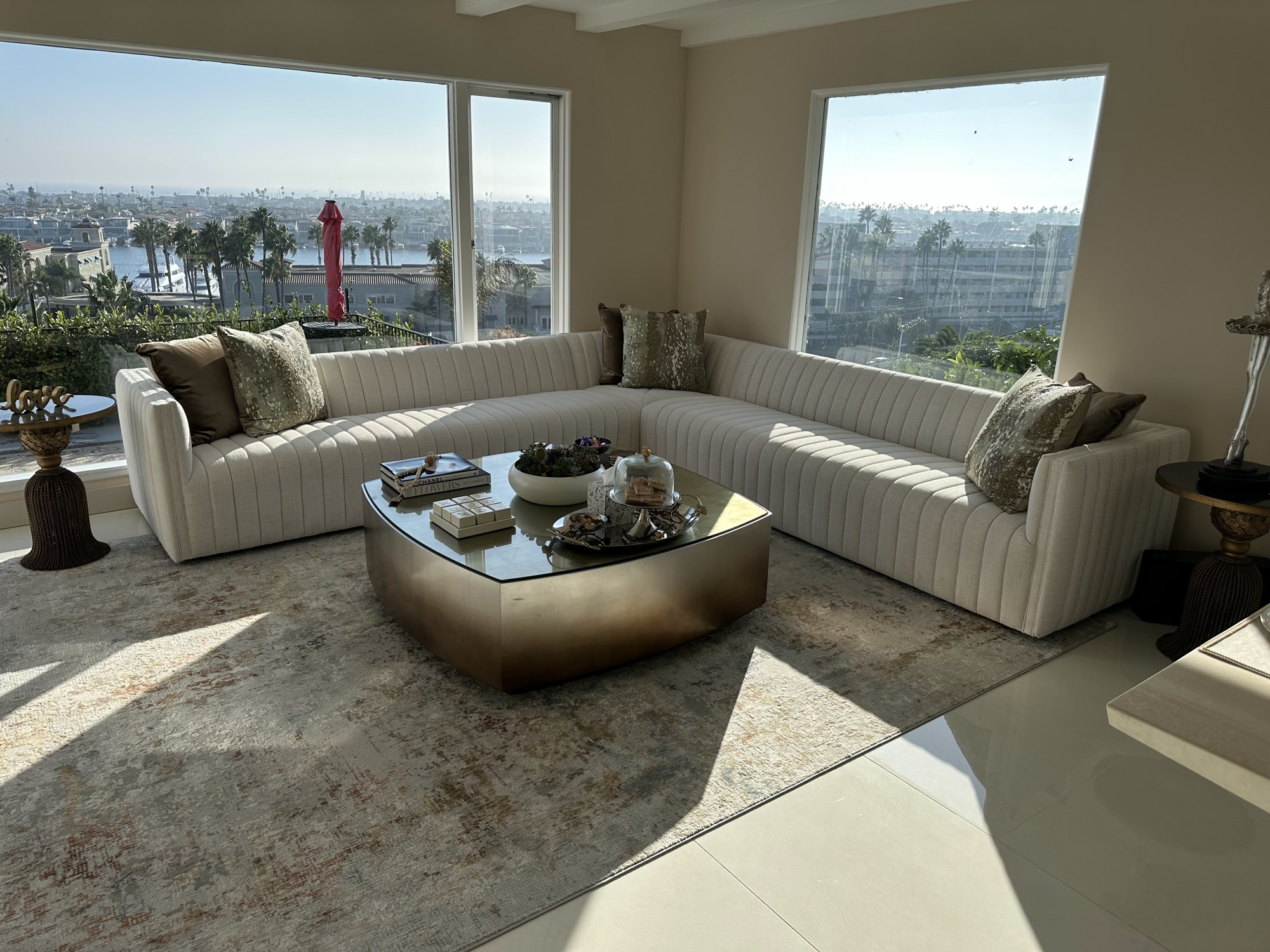
A living room with a large, curved sectional sofa facing a fireplace, layered with soft throws and cushions, lit by warm floor lamps and candles.
A bedroom painted in warm blush tones, with a plush headboard, soft bedding, and a reading nook by the window with a cozy armchair and ottoman.
A dining area featuring a round wooden table surrounded by upholstered chairs with rounded backs, illuminated by a soft pendant light with a warm glow.
Each of these examples creates a feeling of being wanted and held, which is the core emotional need of the Lover archetype.
Final Thoughts on Embracing the Lover Archetype
Designing a home for the Lover archetype means prioritizing emotional connection over style trends or impressiveness. It means creating a sanctuary where every element invites closeness, warmth, and safety. When your home answers the question “Do I feel wanted here?” with a clear yes, it becomes a true sanctuary of desire.


Comments