
top of page

Biophilic Luxury Interiors

Luxury homes are no longer defined solely by their size or opulence. The true hallmark of a refined residence lies in its ability to engage the senses with precision and intention. Sensory design in luxury homes is a strategic discipline that blends psychology, architecture, and artistry to create environments that perform on multiple levels. It is a deliberate orchestration of sight, sound, touch, smell, and even taste to elevate the living experience beyond aesthetics.


This approach is not about indulgence for its own sake. Instead, it is a calculated investment in emotional regulation, wellbeing, and ultimately, the return on investment through enhanced property value and desirability. Here, I explore how sensory design shapes luxury residences and offer actionable insights for those seeking to integrate this sophisticated layer into their homes.


Defining Sensory Design in Luxury Homes


Sensory design is the architectural and interior strategy that consciously manipulates environmental stimuli to influence occupant behavior and emotional response. In luxury homes, this means crafting spaces that do more than look impressive—they feel right, function intuitively, and resonate on a subconscious level.


Key sensory elements include:


  • Visual: Light quality, color palettes, spatial proportions, and material textures.

  • Auditory: Acoustic treatments, soundscapes, and noise control.

  • Tactile: Surface finishes, temperature regulation, and ergonomic design.

  • Olfactory: Ambient scents and air quality.

  • Gustatory: Integration of culinary spaces that engage taste and social interaction.


Each element is calibrated to support a specific psychological outcome—whether it is relaxation, focus, or social connection. The luxury home becomes a multisensory narrative, where every detail contributes to a cohesive story of comfort and sophistication.


Eye-level view of a minimalist living room with natural light and textured surfaces

Luxury Sensory Design Ideas: Practical Applications


Incorporating sensory design into luxury homes requires a strategic mindset. Here are several ideas that demonstrate how sensory elements can be integrated with precision and purpose:


1. Light as a Performance Tool


Natural and artificial lighting must be layered to support circadian rhythms and mood regulation. Automated shading systems paired with tunable LED lighting allow for dynamic control of brightness and color temperature throughout the day. This not only enhances visual comfort but also supports health and productivity.


2. Acoustic Zoning for Privacy and Ambiance


Sound management is critical in large homes where multiple activities occur simultaneously. Acoustic panels, soundproof doors, and strategic room placement create zones of quiet and zones of social interaction. Incorporating water features or subtle background music systems can mask unwanted noise and add a calming auditory layer.


3. Materiality and Texture for Tactile Engagement


The choice of materials influences how a space feels physically and emotionally. Smooth marble counters, warm wood paneling, and soft textiles each communicate different sensory messages. Combining contrasting textures in a balanced way adds depth and invites touch, reinforcing a sense of luxury.


4. Scent as a Subtle Emotional Regulator


Olfactory cues are powerful yet often overlooked. Integrating discreet scent diffusion systems with carefully selected fragrances can evoke calmness or invigoration. This is particularly effective in entryways, bathrooms, and relaxation areas where scent primes emotional states.


5. Culinary Spaces as Sensory Hubs


The kitchen and dining areas are central to sensory engagement. High-performance appliances, ergonomic layouts, and materials that respond well to touch and temperature elevate the cooking experience. Thoughtful lighting and acoustics in these spaces enhance social interaction and sensory pleasure.
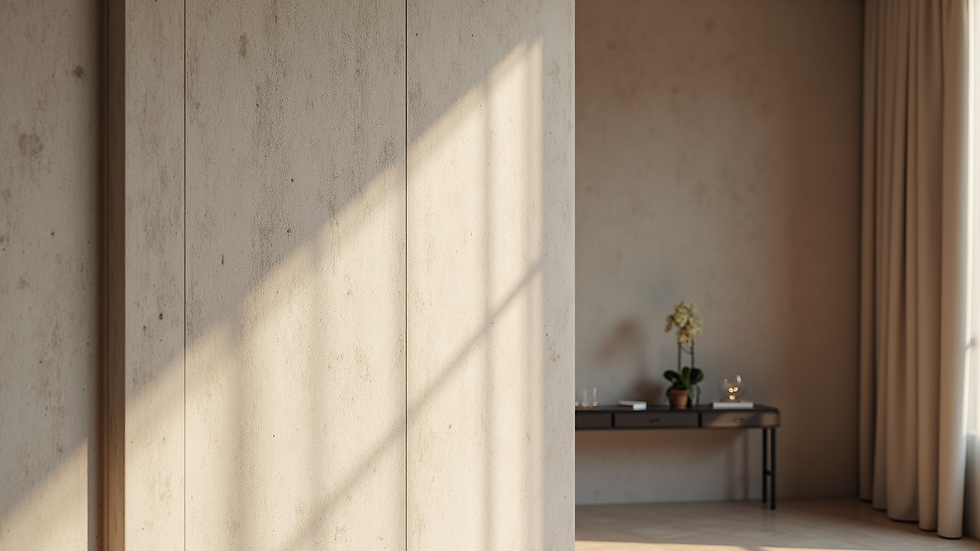

Close-up view of a textured wall panel in a luxury home interior

The Psychological Impact of Sensory Design


Understanding the psychological underpinnings of sensory design is essential for creating spaces that deliver measurable benefits. Sensory stimuli influence the autonomic nervous system, affecting stress levels, cognitive function, and emotional regulation.


For example:


  • Visual harmony reduces cognitive load and promotes relaxation.

  • Controlled acoustics prevent sensory overload and improve concentration.

  • Tactile warmth from materials like wood or fabric fosters comfort and security.

  • Pleasant scents can lower cortisol levels and enhance mood.


By aligning sensory inputs with desired psychological outcomes, luxury homes become environments that support wellbeing and resilience. This alignment is not incidental but a strategic design decision that enhances the home's value proposition.


Integrating Sensory Design for Luxury Homes: Strategic Considerations


When planning sensory design interventions, it is critical to approach the process with architectural rigor and behavioral insight. Here are key considerations:


  • Contextual Analysis: Assess the site, climate, and lifestyle patterns to tailor sensory elements appropriately.

  • Systems Integration: Use smart home technology to synchronize lighting, sound, climate, and scent systems for seamless control.

  • Material Selection: Prioritize durability and sensory quality to ensure long-term performance and satisfaction.

  • User Experience Mapping: Anticipate how occupants will move through and interact with spaces to optimize sensory transitions.

  • ROI Focus: Document how sensory design enhances property value, marketability, and occupant retention.


This methodical approach ensures that sensory design is not an afterthought but a core component of the architectural and interior strategy.


Elevating Luxury Living Through Sensory Design


The integration of sensory design for luxury homes is a sophisticated investment in the experiential quality of a residence. It transcends decoration to become a functional system that enhances emotional wellbeing, supports lifestyle goals, and increases asset value.


In practice, this means:


  • Designing lighting schemes that adapt to natural cycles and activity needs.

  • Creating acoustic environments that balance privacy with social engagement.

  • Selecting materials that invite touch and convey refinement.

  • Incorporating scent strategies that subtly influence mood.

  • Crafting culinary and social spaces that engage multiple senses harmoniously.


Each decision is grounded in an understanding of human behavior and sensory processing, ensuring that the home performs as a sanctuary and a statement.


The future of luxury residential design lies in this intelligent, sensory-driven approach. It is a quiet revolution that redefines what it means to live well.


Luxury interior design is no longer about mere opulence or superficial embellishments. It is a strategic orchestration of space, materials, and sensory cues that elevate both the environment and its occupants. This year’s high-end design trends reflect a refined understanding of how architecture and psychology intersect to create spaces that perform on multiple levels—emotionally, functionally, and financially. The following analysis distills these trends into actionable insights for those who demand more than aesthetics from their interiors.


The Rise of Material Authenticity in High-End Design Trends


Materiality has shifted from decorative to declarative. The emphasis is on authenticity—materials that reveal their origin and craftsmanship without pretense. Natural stone, hand-finished metals, and sustainably sourced hardwoods dominate, each selected for their tactile and visual integrity. This approach aligns with a growing preference for environments that regulate mood and cognitive function through sensory engagement.


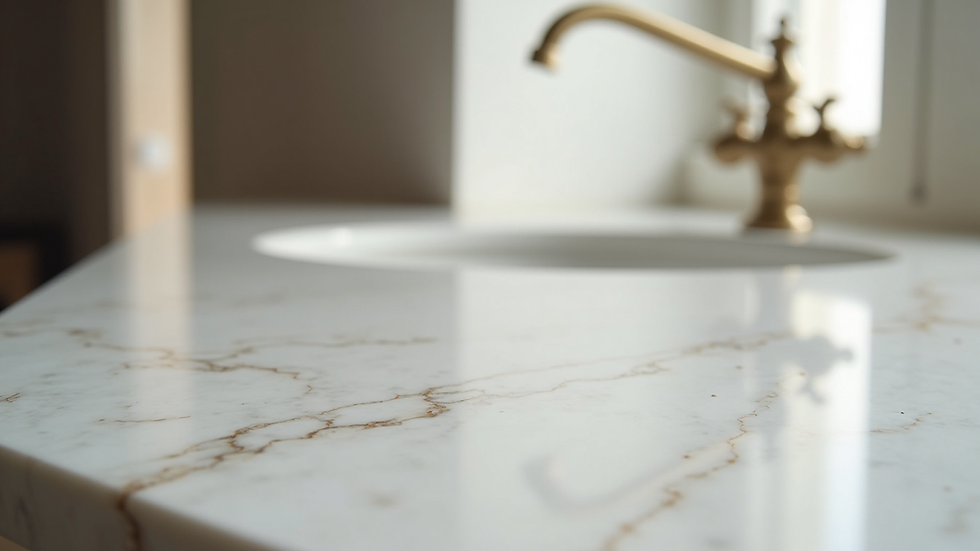
For example, a polished marble countertop with visible veining not only signals luxury but also anchors the kitchen’s spatial hierarchy. It invites touch and visual focus, reinforcing a sense of permanence and quality. Similarly, aged brass fixtures provide a warm patina that contrasts with sleek surfaces, creating a dynamic balance between tradition and modernity.


Actionable recommendation: Prioritize materials that age gracefully and offer sensory depth. This investment enhances long-term ROI by reducing the need for frequent updates and maintaining timeless appeal.


Close-up view of polished marble countertop with natural veining
Polished marble countertop showcasing natural veining and texture

Spatial Fluidity and Functional Zoning


The architecture of luxury interiors is evolving beyond static room definitions. Spatial fluidity—where boundaries are implied rather than fixed—supports diverse activities without sacrificing coherence. This trend is particularly relevant in open-plan residences where multifunctional zones must coexist without visual or acoustic conflict.


Strategic use of architectural elements such as sliding panels, partial walls, and varied ceiling heights creates layers of privacy and openness. These interventions regulate sensory input and social interaction, enhancing emotional wellbeing. For instance, a living area may flow seamlessly into a dining space, yet a retractable partition allows for intimate gatherings or focused work.


Actionable recommendation: Integrate flexible architectural systems that adapt to changing needs. This adaptability increases property value by appealing to a broader range of lifestyles and use cases.


Integrating Biophilic Design for Emotional Regulation


Biophilic design is no longer a niche concept but a foundational principle in luxury interiors. Incorporating natural elements—plants, water features, natural light—supports emotional regulation and cognitive restoration. This trend is grounded in psychological research demonstrating the benefits of nature exposure on stress reduction and productivity.


High-end interiors now feature curated indoor gardens, living walls, and expansive windows oriented to maximize daylight. These elements are not decorative afterthoughts but integral components of the spatial narrative. They create a sensory rhythm that aligns with circadian cycles, enhancing occupant wellbeing.


Actionable recommendation: Design with nature as a co-creator. Use biophilic elements to improve air quality, acoustics, and light modulation, thereby increasing the functional and emotional ROI of the space.


Eye-level view of indoor living wall with lush greenery in a modern living room
Indoor living wall enhancing natural ambiance and air quality

Technology as a Seamless Design Layer


In high-end interiors, technology is no longer conspicuous but seamlessly integrated. Smart home systems, automated lighting, and climate control are embedded within architectural elements to maintain aesthetic purity while optimizing performance. This integration supports occupant comfort and energy efficiency, key factors in long-term value.


For example, motorized window treatments adjust automatically to external light conditions, preserving interior finishes and regulating temperature. Similarly, concealed speakers and sensors maintain spatial harmony without visual clutter. The strategic deployment of technology enhances the sensory environment and operational efficiency.


Actionable recommendation: Collaborate with technology specialists early in the design process to ensure systems are architecturally integrated. This foresight prevents costly retrofits and maximizes the ROI of smart investments.


Curated Artisanal Details as Storytelling Devices


Luxury interiors increasingly incorporate artisanal details that convey narrative and provenance. These elements—handcrafted tiles, bespoke furniture, custom textiles—serve as tactile storytelling devices that enrich the spatial experience. They connect occupants to the cultural and material origins of their environment, fostering a deeper emotional connection.


This trend reflects a strategic shift from mass-produced luxury to curated exclusivity. Each piece is selected for its ability to resonate with the overall design language and the occupant’s identity. The result is a layered interior that balances visual restraint with sensory richness.


Actionable recommendation: Invest in artisanal elements that align with the architectural concept and occupant profile. This approach enhances perceived value and differentiates the property in a competitive market.


The Strategic Impact of These Trends


Each of these high-end design trends contributes to a holistic strategy that transcends aesthetics. They regulate sensory input, support emotional wellbeing, and optimize spatial performance. For affluent homeowners and investors, these factors translate into tangible returns—higher property valuations, increased marketability, and enhanced occupant satisfaction.


By embracing these principles, interiors become environments that tell stories, support lifestyles, and deliver measurable outcomes. This is the essence of luxury interior design trends that endure beyond fleeting fashion.


Elevating Your Space with Intentional Design


The year’s high-end design trends underscore the importance of intentionality. Every material, spatial decision, and technological integration must serve a purpose—whether it is to enhance sensory regulation, support functional adaptability, or convey narrative depth. This disciplined approach ensures that luxury interiors are not only visually compelling but also strategically aligned with occupant needs and investment goals.


For those seeking to elevate their properties, the path forward is clear: prioritize authenticity, flexibility, biophilia, seamless technology, and artisanal storytelling. These elements form the foundation of interiors that perform on every level.


This strategic framework is not theoretical. It is a blueprint for creating spaces that command attention, foster wellbeing, and deliver lasting value. The future of luxury interior design is defined by this measured, intelligent approach—one that respects the past, embraces innovation, and anticipates the evolving needs of discerning occupants.

PsychologyLuxury interior design is a discipline where every decision carries weight. It is a calculated orchestration of space, materials, and light that delivers not only aesthetic appeal but measurable returns in emotional regulation and property value. This year’s high-end design trends reflect a refined understanding of how environments influence behavior and perception. They are not fleeting fads but strategic choices that elevate living spaces into immersive experiences.


Defining the New Paradigm in High-End Psychology Design Trends


Psychology


Key elements include:


  • Material authenticity: Natural stone, hand-finished wood, and artisanal metals replace synthetic alternatives.

  • Spatial fluidity: Open plans with defined zones that support both social interaction and solitude.

  • Light modulation: Layered lighting systems that adjust to circadian rhythms and mood regulation.


These components work in concert to create environments that are both visually commanding and emotionally stabilizing.


Eye-level view of a spacious living room with natural stone walls and layered lighting
Natural stone and layered lighting in luxury living room

Strategic Use of Texture and Color in High-End Design Trends


Texture and color are no longer afterthoughts but foundational to the sensory architecture of a space. The tactile quality of surfaces influences emotional response and physical comfort. This year, the palette favors muted earth tones and deep jewel hues, which provide a grounded yet sophisticated backdrop.


Consider the following applications:


  • Velvet upholstery in deep emerald or sapphire: Offers a tactile richness that invites touch and conveys exclusivity.

  • Matte finishes on cabinetry and fixtures: Reduce glare and create a soft visual field, enhancing relaxation.

  • Layered textiles: Combining silk, wool, and linen in throws and cushions adds depth without visual clutter.


These choices are deliberate, designed to optimize sensory engagement and support psychological well-being.


Integrating Technology with Architectural Elegance


Technology in luxury interiors is no longer about conspicuous gadgets but seamless integration that enhances performance and convenience. Smart systems regulate lighting, climate, and security with minimal visual intrusion. This integration supports a lifestyle of ease and control, which is a critical component of luxury living.


Examples include:


  • Automated shading systems: Adjust natural light exposure to reduce energy consumption and protect furnishings.

  • Invisible speakers and sound systems: Deliver high-fidelity audio without disrupting spatial harmony.

  • Touchless controls: Promote hygiene and reduce physical effort, aligning with modern health priorities.


The ROI here is twofold: increased property value and enhanced occupant satisfaction through intuitive environmental control.


Close-up view of a sleek, built-in smart home control panel
Smart home control panel integrated into luxury interior

The Role of Artisanal Craftsmanship and Customization


Bespoke elements are a hallmark of high-end interiors. They provide narrative depth and exclusivity, transforming spaces into personalized sanctuaries. Artisanal craftsmanship is not merely decorative; it is a strategic investment in uniqueness and quality.


Key considerations:


  • Custom millwork and cabinetry: Tailored to spatial dynamics and user needs, optimizing storage and flow.

  • Handcrafted lighting fixtures: Serve as focal points that balance form and function.

  • Locally sourced art and decor: Anchor the space in place and story, enhancing emotional connection.


Customization elevates the property’s market position by signaling attention to detail and superior quality.


Sustainable Luxury: Performance Meets Responsibility


Sustainability in luxury design transcends trendiness; it is a strategic imperative. High-performance materials and systems reduce environmental impact while maintaining aesthetic and functional standards. This approach appeals to discerning clients who value legacy and stewardship.


Implementations include:


  • Reclaimed wood and recycled metals: Provide character and reduce resource depletion.

  • Energy-efficient appliances and HVAC systems: Lower operational costs and carbon footprint.

  • Biophilic design elements: Incorporate natural forms and greenery to improve air quality and psychological health.


Sustainability enhances ROI by future-proofing investments and aligning with evolving market expectations.


Elevating Spaces Through Curated Minimalism


Minimalism in luxury interiors is not about emptiness but precision. It is the art of removing the superfluous to reveal the essential. This strategy enhances spatial clarity and emotional regulation, creating environments that feel expansive and purposeful.


Principles to apply:


  • Selective furnishing: Each piece must justify its presence through function or narrative.

  • Neutral base layers: Walls, floors, and ceilings in restrained tones provide a canvas for curated accents.

  • Integrated storage solutions: Maintain visual order and reduce cognitive load.


This disciplined approach supports a lifestyle of intentionality and calm, qualities that resonate deeply with high-net-worth individuals.


The luxury interior design trends outlined here are not mere aesthetics but strategic frameworks. They combine architectural rigor, psychological insight, and artisanal mastery to create spaces that perform on multiple levels. For those seeking to elevate their properties or investments, these trends offer a blueprint for enduring value and emotional resonance.


By embracing these principles, one can expect not only enhanced market appeal but also environments that support well-being and refined living. The future of luxury interiors is a measured balance of innovation and tradition, where every element is purposeful and every space tells a story.


bottom of page