
top of page

Lifestyle Investment Strategies

Texture is taking center stage at High Point Market 2026. This year, tactile richness is not just a detail but a defining feature of design. Visitors and industry professionals alike are drawn to materials that invite touch and create a sense of luxury through feel. The market showcases how texture shapes the story of materials and influences interior design trends and consumer choices.


Modern living room with wood panel walls, a gray sofa, yellow chair, round table, and abstract art. Warm lighting, plant decor, cozy vibe.


The Rise of Haptic Luxury in Design


Haptic luxury means creating spaces that appeal to the sense of touch. It goes beyond visual beauty to include how materials feel against the skin. This approach adds depth and warmth to interiors, making them more inviting and personal.


At High Point Market 2026, designers and brands emphasize this tactile experience. The trend reflects a shift in consumer preferences toward comfort and sensory engagement. People want their homes to feel as good as they look.


Key Materials Defining Texture Trends


Several materials stand out for their tactile qualities and visual appeal. These include bouclé wools, raw silks, performance velvets, and artisan wood finishes. Each brings a unique texture that adds richness and character to interiors.


Bouclé Wools


Bouclé wool is known for its looped, curly surface that feels soft and cozy. It adds a natural, handcrafted look to furniture and textiles. At the market, bouclé appears in sofas, cushions, and throws, offering a tactile contrast to smooth surfaces.


This material suits modern and traditional styles alike. Its texture invites touch and creates a sense of warmth, making it a favorite for living rooms and lounges.


Raw Silks


Raw silk has a slightly rough, uneven texture that gives it an organic feel. Unlike polished silk, raw silk feels more natural and less glossy. It adds subtle texture to curtains, pillows, and upholstery.


Designers use raw silk to bring understated elegance and tactile interest. Its irregular surface catches light differently, adding depth without overwhelming a space.


Performance Velvets


Velvet is a classic luxury fabric, but performance velvets take it further. These fabrics combine softness with durability and stain resistance. They keep the plush feel of velvet while standing up to everyday use.


At High Point Market, performance velvets appear in rich colors and varied finishes. Their tactile appeal makes them popular for sofas and chairs, where comfort and practicality meet.


Artisan Wood Finishes


Wood finishes at the market highlight natural textures and craftsmanship. Instead of smooth, glossy surfaces, many pieces feature hand-rubbed, matte, or distressed finishes. These finishes reveal the grain and knots of the wood, adding visual and tactile interest.


Artisan wood finishes connect interiors to nature and tradition. They bring warmth and authenticity, balancing the softness of fabrics with solid, textured surfaces.


How Texture Shapes Interior Design Trends


Texture influences how spaces feel and function. It affects mood, comfort, and even how people interact with their environment. The focus on tactile richness at High Point Market 2026 points to several design trends.


Comfort and Connection


Textured materials create a sense of comfort and connection. They invite people to touch and linger, making spaces feel lived-in and welcoming. This trend responds to a growing desire for homes that support wellbeing and relaxation.


Layering Textures


Designers layer different textures to add complexity and interest. For example, a bouclé sofa might pair with raw silk cushions and a wooden coffee table with a matte finish. This mix creates a balanced, tactile environment that feels rich without being overwhelming.


Sustainable and Authentic Materials


The emphasis on natural textures reflects a move toward sustainability and authenticity. Consumers want materials that feel real and tell a story. Artisan wood and raw silk fit this demand by showcasing craftsmanship and natural beauty.


Practical Luxury


Performance fabrics like velvet show that luxury can be practical. Consumers want beautiful materials that last and are easy to care for. This trend blends tactile richness with everyday usability.


Meeting Consumer Preferences with Virtual Psychology Design


Understanding how texture affects people’s feelings and behavior is key to successful design. One service that helps with this is Virtual Psychology Design. This service offers three sessions that combine psychology and design to create spaces that truly connect with users.


  • Session 1 involves a video walkthrough and guest psychology profiling to understand the client’s needs and preferences.


  • Session 2 presents a design concept focusing on color and texture strategies for approval.


  • Session 3 delivers a detailed PDF with shopping lists and photography briefs.


This approach shows how texture and material choices can be tailored to the psychology of the people who use the space. It highlights the importance of tactile luxury not just as a trend but as a way to improve how interiors feel and function.


Bringing Texture into Your Space


To add tactile richness to your home or project, consider these tips inspired by High Point Market 2026:


  • Choose fabrics like bouclé wool or performance velvet for furniture to invite touch and comfort.


  • Mix materials with different textures, such as pairing raw silk cushions with wooden furniture.


  • Look for artisan wood finishes that reveal natural grain and add warmth.


  • Think about how textures affect mood and usability, balancing beauty with practicality.


Working with a design service that understands the emotional impact of texture can help you create a space that feels both luxurious and personal.

Creating a home that feels truly restful and uplifting goes beyond just choosing the right furniture or layout. Our living spaces can deeply influence how we feel by engaging all five senses: sight, sound, touch, smell, and taste. Sensory science shows that thoughtfully designed environments can reduce anxiety and promote relaxation. This post explores how you can use multi-sensory design principles to transform your home into a sanctuary that supports your well-being.


Eye-level view of a cozy living room corner with soft lighting, textured cushions, and indoor plants
A cozy living room corner designed to engage multiple senses with soft lighting and natural textures

How Sensory Science Shapes Home Design


Sensory science studies how our senses perceive and respond to different stimuli. When applied to home design, it helps create spaces that feel comfortable, calming, and inviting. Each sense plays a unique role:


  • Sight influences mood through colors, lighting, and visual balance.

  • Sound affects stress levels and focus through ambient noise or silence.

  • Touch connects us to textures and materials that provide comfort.

  • Smell triggers memories and emotions through scents.

  • Taste can enhance social spaces and dining areas by encouraging mindful eating.


By combining these elements, designers create environments that feel harmonious and support mental health.


Sight: Using Color and Light to Calm the Mind


Visual cues are the most immediate way our brain interprets a space. Colors and lighting can either energize or soothe us.


  • Choose calming colors such as soft blues, greens, and earth tones. These hues are linked to relaxation and lower heart rates.

  • Incorporate natural light whenever possible. Sunlight boosts mood and regulates sleep cycles.

  • Use layered lighting with dimmers, lamps, and indirect sources to create warmth and flexibility.

  • Add plants or natural elements to bring life and gentle movement into the room.


For example, painting a bedroom wall a muted sage green and adding sheer curtains can create a peaceful retreat that invites rest.


Sound: Crafting a Quiet or Pleasant Acoustic Environment


Noise pollution increases stress and disrupts relaxation. Thoughtful sound design helps control unwanted noise and introduces soothing sounds.


  • Use soft furnishings like rugs, curtains, and cushions to absorb sound.

  • Add white noise machines or water features to mask disruptive sounds.

  • Play calming music or nature sounds during downtime to encourage relaxation.

  • Consider soundproofing in bedrooms or workspaces for better focus and sleep quality.


A living room with thick curtains and a small indoor fountain can reduce outside noise and create a tranquil atmosphere.


Touch: Selecting Textures That Comfort and Connect


The sense of touch grounds us in the present moment and can evoke feelings of safety and warmth.


  • Incorporate soft textiles such as plush throws, velvet cushions, or wool rugs.

  • Use natural materials like wood, stone, and cotton for a tactile connection to nature.

  • Mix textures to add depth and interest without overwhelming the senses.

  • Choose furniture with comfortable, ergonomic shapes to support the body.


For instance, a reading nook with a cushioned armchair, a knitted blanket, and a wooden side table invites you to relax and unwind.


Smell: Enhancing Mood Through Fragrance


Scent has a powerful effect on emotions and memory. Introducing pleasant aromas can reduce anxiety and create a welcoming environment.


  • Use essential oil diffusers with calming scents like lavender, chamomile, or sandalwood.

  • Light natural beeswax or soy candles for gentle fragrance without harsh chemicals.

  • Incorporate fresh flowers or herbs such as rosemary or eucalyptus.

  • Avoid overpowering artificial scents that can cause headaches or irritation.


A kitchen with a bowl of fresh lemons or a living room with a lavender diffuser can subtly uplift the space.


Taste: Creating Spaces That Encourage Mindful Eating and Social Connection


While taste is often overlooked in home design, it plays a role in how we experience food and social interactions.


  • Design inviting dining areas that encourage slow, mindful meals.

  • Use natural materials and colors that stimulate appetite and comfort.

  • Incorporate a small herb garden in the kitchen for fresh flavors and a sensory connection.

  • Create cozy spots for tea or coffee rituals to promote relaxation.


A breakfast nook with soft cushions and warm lighting can transform everyday meals into moments of calm.


Practical Tips to Incorporate Sensory Elements in Your Home


Here are some actionable ideas to engage your senses and enhance well-being:


  • Sight: Paint walls in soft, muted colors; add artwork that inspires calm; use adjustable lighting.

  • Sound: Place rugs and curtains to reduce echo; play gentle background music; add a tabletop water fountain.

  • Touch: Layer cushions and throws with different fabrics; choose furniture with smooth, natural finishes.

  • Smell: Diffuse essential oils; keep fresh flowers; bake bread or brew herbal tea regularly.

  • Taste: Set up a dedicated dining space; grow kitchen herbs; create a tea or coffee corner with comfortable seating.


Bringing It All Together for a Balanced Home


Engaging all five senses creates a balanced environment that supports relaxation and reduces anxiety. Start by identifying which senses you want to focus on based on your lifestyle and preferences. Gradually introduce sensory elements that feel natural and enjoyable. Remember, the goal is to build a home that feels nurturing and helps you recharge.


The spaces we inhabit shape our emotional and physical wellbeing. In luxury residential environments, every design decision must serve a purpose beyond aesthetics. It must enhance performance, regulate mood, and deliver measurable return on investment. Healthy interior design is not a trend; it is a strategic approach that integrates architecture, psychology, and sensory experience to create environments that support optimal living.


The Foundations of Healthy Interior Design


Healthy interior design begins with understanding how spatial elements influence human behavior and physiology. Light, air quality, acoustics, and materiality are not mere details; they are systems that regulate comfort and cognitive function. For example, maximizing natural daylight through carefully positioned windows and reflective surfaces reduces reliance on artificial lighting, which can disrupt circadian rhythms. This alignment with natural cycles improves sleep quality and daytime alertness.


Air quality is equally critical. Incorporating ventilation systems that filter pollutants and maintain humidity within optimal ranges prevents respiratory irritation and supports immune function. Selecting low-VOC materials and finishes further reduces chemical exposure, creating a sanctuary that promotes health rather than undermines it.


Acoustic design must balance privacy with openness. Sound-absorbing materials and spatial zoning reduce noise pollution, which is linked to stress and decreased productivity. These elements combine to form a foundation where occupants feel regulated and supported.


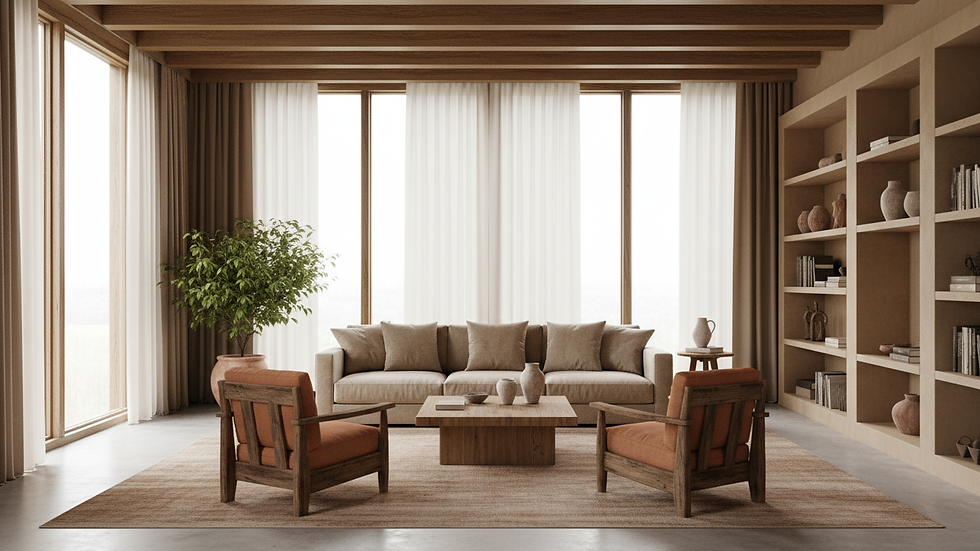
Eye-level view of a spacious living room with large windows and natural light

Strategic Use of Materials and Textures


Material selection in healthy interior design is a calculated decision. Surfaces must be durable, non-toxic, and sensory-appropriate. Natural materials such as wood, stone, and wool provide tactile warmth and visual grounding. Their inherent textures engage the senses subtly, fostering a connection to nature that is psychologically restorative.


In contrast, synthetic materials often emit volatile compounds that can compromise indoor air quality. Prioritizing materials with transparent sourcing and certifications ensures accountability and long-term wellbeing. For example, reclaimed wood not only reduces environmental impact but also introduces a narrative of sustainability and history, enriching the space’s story.


Textural layering—combining smooth, rough, matte, and glossy finishes—creates depth without visual clutter. This balance supports cognitive ease, allowing occupants to navigate the environment effortlessly. Every material choice should be intentional, contributing to the overall sensory regulation and emotional alignment of the space.


Integrating Biophilic Elements for Emotional Regulation


Biophilia—the innate human affinity for nature—is a cornerstone of healthy interior design. Incorporating natural elements such as plants, water features, and organic forms has measurable effects on stress reduction and emotional regulation. These elements activate parasympathetic responses, lowering heart rate and cortisol levels.


Strategically placed greenery improves air quality and introduces dynamic visual interest. For instance, vertical gardens or potted plants near seating areas create microclimates that enhance comfort. Water features, when integrated with acoustic design, provide soothing background sounds that mask disruptive noise.


The geometry of natural forms—curves, fractals, and asymmetry—can be echoed in architectural details and furnishings. This subtle mimicry supports psychological wellbeing by creating environments that feel familiar and safe. The integration of these elements is not decorative but functional, directly influencing occupant mood and performance.


Close-up view of a vertical garden wall with lush green plants

The Role of Color and Light in Spatial Performance


Color and light are powerful tools in healthy interior design. Their impact on circadian regulation, mood, and cognitive function is well-documented. A strategic palette balances warm and cool tones to support different activities and times of day.


For example, cooler blues and greens promote calm and focus, ideal for workspaces or meditation areas. Warmer hues such as muted ochres and terracottas stimulate social interaction and appetite, suitable for dining and communal spaces. The key is restraint—avoiding overstimulation while maintaining visual interest.


Lighting design must be layered and adjustable. Ambient, task, and accent lighting work in concert to support circadian rhythms and visual comfort. Automated systems that mimic natural light progression enhance alignment with biological clocks, improving sleep and daytime energy.


Incorporating wellness interior design principles here ensures that light and color choices are not arbitrary but grounded in behavioral science and architectural precision.


Spatial Layout and Flow for Psychological Ease


The organization of space directly affects emotional regulation and social interaction. Healthy interior design prioritizes clear circulation paths, balanced proportions, and purposeful zoning. Open plans are effective when combined with defined areas that support privacy and focus.


Furniture placement should facilitate ease of movement and encourage natural postures. Ergonomic considerations extend beyond individual pieces to the spatial relationship between them. For example, seating arrangements that promote eye contact and conversation support social wellbeing without sacrificing personal space.


Transitions between rooms or zones must be smooth, using architectural elements such as thresholds, changes in flooring texture, or lighting shifts. These cues help occupants orient themselves and mentally prepare for different activities, reducing cognitive load.


In luxury homes, spatial flow also enhances property value by creating environments that feel expansive yet intimate, functional yet elegant.


Enhancing ROI Through Healthy Interior Design


Investing in healthy interior design yields tangible returns. Properties that prioritize occupant wellbeing command higher market values and attract discerning buyers. The integration of systems that improve air quality, lighting, and acoustics reduces long-term maintenance costs and enhances durability.


Moreover, these environments support productivity and emotional resilience, which are increasingly valued in residential and vacation properties. The strategic use of design to regulate sensory input and behavior creates spaces that perform on multiple levels—emotional, physical, and financial.


High-value consultations that emphasize this approach differentiate design services in a competitive market. Virtual consultations that showcase cinematic visuals and case studies reinforce the strategic value of healthy interior design, accelerating decision-making and client commitment.


Designing for Longevity and Adaptability


Healthy interior design is future-focused. Materials and systems are selected for durability and adaptability, anticipating changes in occupant needs and environmental conditions. Modular furniture, adjustable lighting, and flexible layouts extend the functional lifespan of spaces.


Sustainability is embedded in this approach, not as an afterthought but as a core principle. Energy-efficient systems, water-saving fixtures, and responsible sourcing reduce environmental impact while enhancing occupant comfort.


This long-term perspective aligns with the expectations of luxury homeowners and investors who seek properties that maintain value and relevance over time. The design narrative becomes one of stewardship and foresight, reinforcing the emotional and financial investment in the space.


Healthy interior design is a sophisticated synthesis of architecture, psychology, and sensory science. It creates environments that do more than look refined—they perform, regulate, and enrich. This approach transforms spaces into assets that support wellbeing and deliver measurable ROI. The result is a luxury experience that is both timeless and deeply human.

bottom of page