

The spaces we inhabit shape our emotional and physical wellbeing. In luxury residential environments, every design decision must serve a purpose beyond aesthetics. It must enhance performance, regulate mood, and deliver measurable return on investment. Healthy interior design is not a trend; it is a strategic approach that integrates architecture, psychology, and sensory experience to create environments that support optimal living.
The Foundations of Healthy Interior Design
Healthy interior design begins with understanding how spatial elements influence human behavior and physiology. Light, air quality, acoustics, and materiality are not mere details; they are systems that regulate comfort and cognitive function. For example, maximizing natural daylight through carefully positioned windows and reflective surfaces reduces reliance on artificial lighting, which can disrupt circadian rhythms. This alignment with natural cycles improves sleep quality and daytime alertness.
Air quality is equally critical. Incorporating ventilation systems that filter pollutants and maintain humidity within optimal ranges prevents respiratory irritation and supports immune function. Selecting low-VOC materials and finishes further reduces chemical exposure, creating a sanctuary that promotes health rather than undermines it.
Acoustic design must balance privacy with openness. Sound-absorbing materials and spatial zoning reduce noise pollution, which is linked to stress and decreased productivity. These elements combine to form a foundation where occupants feel regulated and supported.
Strategic Use of Materials and Textures
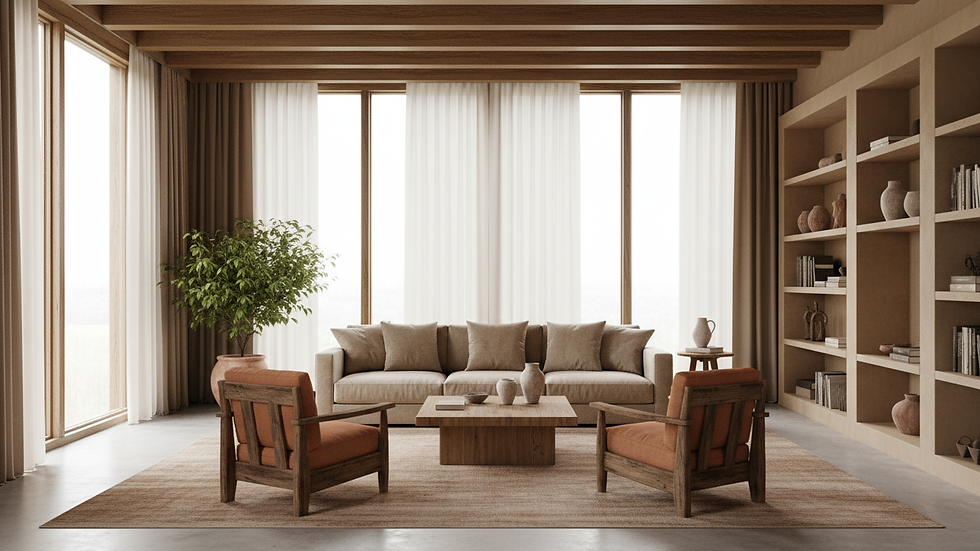
Material selection in healthy interior design is a calculated decision. Surfaces must be durable, non-toxic, and sensory-appropriate. Natural materials such as wood, stone, and wool provide tactile warmth and visual grounding. Their inherent textures engage the senses subtly, fostering a connection to nature that is psychologically restorative.
In contrast, synthetic materials often emit volatile compounds that can compromise indoor air quality. Prioritizing materials with transparent sourcing and certifications ensures accountability and long-term wellbeing. For example, reclaimed wood not only reduces environmental impact but also introduces a narrative of sustainability and history, enriching the space’s story.
Textural layering—combining smooth, rough, matte, and glossy finishes—creates depth without visual clutter. This balance supports cognitive ease, allowing occupants to navigate the environment effortlessly. Every material choice should be intentional, contributing to the overall sensory regulation and emotional alignment of the space.
Integrating Biophilic Elements for Emotional Regulation
Biophilia—the innate human affinity for nature—is a cornerstone of healthy interior design. Incorporating natural elements such as plants, water features, and organic forms has measurable effects on stress reduction and emotional regulation. These elements activate parasympathetic responses, lowering heart rate and cortisol levels.
Strategically placed greenery improves air quality and introduces dynamic visual interest. For instance, vertical gardens or potted plants near seating areas create microclimates that enhance comfort. Water features, when integrated with acoustic design, provide soothing background sounds that mask disruptive noise.
The geometry of natural forms—curves, fractals, and asymmetry—can be echoed in architectural details and furnishings. This subtle mimicry supports psychological wellbeing by creating environments that feel familiar and safe. The integration of these elements is not decorative but functional, directly influencing occupant mood and performance.

The Role of Color and Light in Spatial Performance
Color and light are powerful tools in healthy interior design. Their impact on circadian regulation, mood, and cognitive function is well-documented. A strategic palette balances warm and cool tones to support different activities and times of day.
For example, cooler blues and greens promote calm and focus, ideal for workspaces or meditation areas. Warmer hues such as muted ochres and terracottas stimulate social interaction and appetite, suitable for dining and communal spaces. The key is restraint—avoiding overstimulation while maintaining visual interest.
Lighting design must be layered and adjustable. Ambient, task, and accent lighting work in concert to support circadian rhythms and visual comfort. Automated systems that mimic natural light progression enhance alignment with biological clocks, improving sleep and daytime energy.
Incorporating wellness interior design principles here ensures that light and color choices are not arbitrary but grounded in behavioral science and architectural precision.
Spatial Layout and Flow for Psychological Ease
The organization of space directly affects emotional regulation and social interaction. Healthy interior design prioritizes clear circulation paths, balanced proportions, and purposeful zoning. Open plans are effective when combined with defined areas that support privacy and focus.
Furniture placement should facilitate ease of movement and encourage natural postures. Ergonomic considerations extend beyond individual pieces to the spatial relationship between them. For example, seating arrangements that promote eye contact and conversation support social wellbeing without sacrificing personal space.
Transitions between rooms or zones must be smooth, using architectural elements such as thresholds, changes in flooring texture, or lighting shifts. These cues help occupants orient themselves and mentally prepare for different activities, reducing cognitive load.
In luxury homes, spatial flow also enhances property value by creating environments that feel expansive yet intimate, functional yet elegant.
Enhancing ROI Through Healthy Interior Design
Investing in healthy interior design yields tangible returns. Properties that prioritize occupant wellbeing command higher market values and attract discerning buyers. The integration of systems that improve air quality, lighting, and acoustics reduces long-term maintenance costs and enhances durability.
Moreover, these environments support productivity and emotional resilience, which are increasingly valued in residential and vacation properties. The strategic use of design to regulate sensory input and behavior creates spaces that perform on multiple levels—emotional, physical, and financial.
High-value consultations that emphasize this approach differentiate design services in a competitive market. Virtual consultations that showcase cinematic visuals and case studies reinforce the strategic value of healthy interior design, accelerating decision-making and client commitment.
Designing for Longevity and Adaptability
Healthy interior design is future-focused. Materials and systems are selected for durability and adaptability, anticipating changes in occupant needs and environmental conditions. Modular furniture, adjustable lighting, and flexible layouts extend the functional lifespan of spaces.
Sustainability is embedded in this approach, not as an afterthought but as a core principle. Energy-efficient systems, water-saving fixtures, and responsible sourcing reduce environmental impact while enhancing occupant comfort.
This long-term perspective aligns with the expectations of luxury homeowners and investors who seek properties that maintain value and relevance over time. The design narrative becomes one of stewardship and foresight, reinforcing the emotional and financial investment in the space.
Healthy interior design is a sophisticated synthesis of architecture, psychology, and sensory science. It creates environments that do more than look refined—they perform, regulate, and enrich. This approach transforms spaces into assets that support wellbeing and deliver measurable ROI. The result is a luxury experience that is both timeless and deeply human.

