top of page

Psychological Design Impact

Luxury homes are no longer defined solely by their size or opulence. The true hallmark of a refined residence lies in its ability to engage the senses with precision and intention. Sensory design in luxury homes is a strategic discipline that blends psychology, architecture, and artistry to create environments that perform on multiple levels. It is a deliberate orchestration of sight, sound, touch, smell, and even taste to elevate the living experience beyond aesthetics.


This approach is not about indulgence for its own sake. Instead, it is a calculated investment in emotional regulation, wellbeing, and ultimately, the return on investment through enhanced property value and desirability. Here, I explore how sensory design shapes luxury residences and offer actionable insights for those seeking to integrate this sophisticated layer into their homes.


Defining Sensory Design in Luxury Homes


Sensory design is the architectural and interior strategy that consciously manipulates environmental stimuli to influence occupant behavior and emotional response. In luxury homes, this means crafting spaces that do more than look impressive—they feel right, function intuitively, and resonate on a subconscious level.


Key sensory elements include:


  • Visual: Light quality, color palettes, spatial proportions, and material textures.

  • Auditory: Acoustic treatments, soundscapes, and noise control.

  • Tactile: Surface finishes, temperature regulation, and ergonomic design.

  • Olfactory: Ambient scents and air quality.

  • Gustatory: Integration of culinary spaces that engage taste and social interaction.


Each element is calibrated to support a specific psychological outcome—whether it is relaxation, focus, or social connection. The luxury home becomes a multisensory narrative, where every detail contributes to a cohesive story of comfort and sophistication.


Eye-level view of a minimalist living room with natural light and textured surfaces

Luxury Sensory Design Ideas: Practical Applications


Incorporating sensory design into luxury homes requires a strategic mindset. Here are several ideas that demonstrate how sensory elements can be integrated with precision and purpose:


1. Light as a Performance Tool


Natural and artificial lighting must be layered to support circadian rhythms and mood regulation. Automated shading systems paired with tunable LED lighting allow for dynamic control of brightness and color temperature throughout the day. This not only enhances visual comfort but also supports health and productivity.


2. Acoustic Zoning for Privacy and Ambiance


Sound management is critical in large homes where multiple activities occur simultaneously. Acoustic panels, soundproof doors, and strategic room placement create zones of quiet and zones of social interaction. Incorporating water features or subtle background music systems can mask unwanted noise and add a calming auditory layer.


3. Materiality and Texture for Tactile Engagement


The choice of materials influences how a space feels physically and emotionally. Smooth marble counters, warm wood paneling, and soft textiles each communicate different sensory messages. Combining contrasting textures in a balanced way adds depth and invites touch, reinforcing a sense of luxury.


4. Scent as a Subtle Emotional Regulator


Olfactory cues are powerful yet often overlooked. Integrating discreet scent diffusion systems with carefully selected fragrances can evoke calmness or invigoration. This is particularly effective in entryways, bathrooms, and relaxation areas where scent primes emotional states.


5. Culinary Spaces as Sensory Hubs


The kitchen and dining areas are central to sensory engagement. High-performance appliances, ergonomic layouts, and materials that respond well to touch and temperature elevate the cooking experience. Thoughtful lighting and acoustics in these spaces enhance social interaction and sensory pleasure.


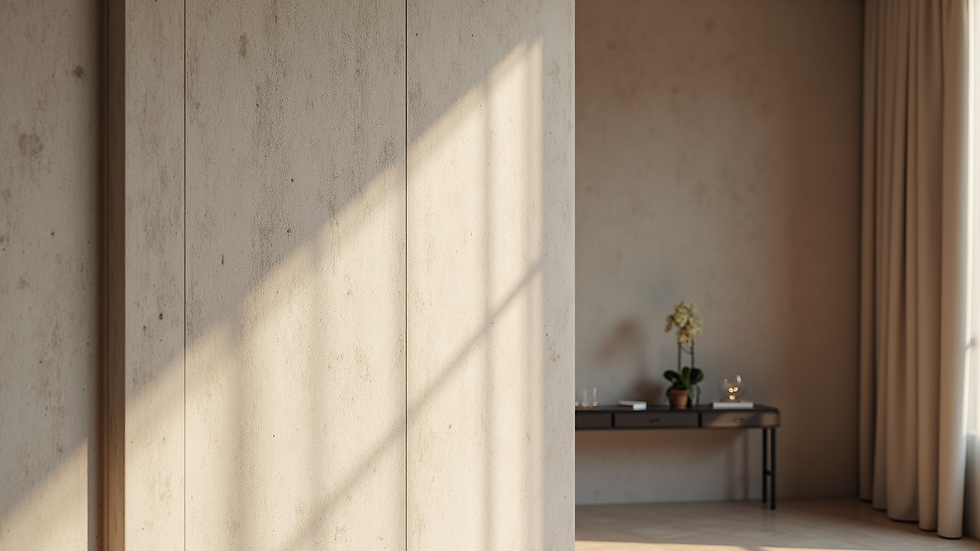
Close-up view of a textured wall panel in a luxury home interior

The Psychological Impact of Sensory Design


Understanding the psychological underpinnings of sensory design is essential for creating spaces that deliver measurable benefits. Sensory stimuli influence the autonomic nervous system, affecting stress levels, cognitive function, and emotional regulation.


For example:


  • Visual harmony reduces cognitive load and promotes relaxation.

  • Controlled acoustics prevent sensory overload and improve concentration.

  • Tactile warmth from materials like wood or fabric fosters comfort and security.

  • Pleasant scents can lower cortisol levels and enhance mood.


By aligning sensory inputs with desired psychological outcomes, luxury homes become environments that support wellbeing and resilience. This alignment is not incidental but a strategic design decision that enhances the home's value proposition.


Integrating Sensory Design for Luxury Homes: Strategic Considerations


When planning sensory design interventions, it is critical to approach the process with architectural rigor and behavioral insight. Here are key considerations:


  • Contextual Analysis: Assess the site, climate, and lifestyle patterns to tailor sensory elements appropriately.

  • Systems Integration: Use smart home technology to synchronize lighting, sound, climate, and scent systems for seamless control.

  • Material Selection: Prioritize durability and sensory quality to ensure long-term performance and satisfaction.

  • User Experience Mapping: Anticipate how occupants will move through and interact with spaces to optimize sensory transitions.

  • ROI Focus: Document how sensory design enhances property value, marketability, and occupant retention.


This methodical approach ensures that sensory design is not an afterthought but a core component of the architectural and interior strategy.


Elevating Luxury Living Through Sensory Design


The integration of sensory design for luxury homes is a sophisticated investment in the experiential quality of a residence. It transcends decoration to become a functional system that enhances emotional wellbeing, supports lifestyle goals, and increases asset value.


In practice, this means:


  • Designing lighting schemes that adapt to natural cycles and activity needs.

  • Creating acoustic environments that balance privacy with social engagement.

  • Selecting materials that invite touch and convey refinement.

  • Incorporating scent strategies that subtly influence mood.

  • Crafting culinary and social spaces that engage multiple senses harmoniously.


Each decision is grounded in an understanding of human behavior and sensory processing, ensuring that the home performs as a sanctuary and a statement.


The future of luxury residential design lies in this intelligent, sensory-driven approach. It is a quiet revolution that redefines what it means to live well.


Texture is taking center stage at High Point Market 2026. This year, tactile richness is not just a detail but a defining feature of design. Visitors and industry professionals alike are drawn to materials that invite touch and create a sense of luxury through feel. The market showcases how texture shapes the story of materials and influences interior design trends and consumer choices.


Modern living room with wood panel walls, a gray sofa, yellow chair, round table, and abstract art. Warm lighting, plant decor, cozy vibe.


The Rise of Haptic Luxury in Design


Haptic luxury means creating spaces that appeal to the sense of touch. It goes beyond visual beauty to include how materials feel against the skin. This approach adds depth and warmth to interiors, making them more inviting and personal.


At High Point Market 2026, designers and brands emphasize this tactile experience. The trend reflects a shift in consumer preferences toward comfort and sensory engagement. People want their homes to feel as good as they look.


Key Materials Defining Texture Trends


Several materials stand out for their tactile qualities and visual appeal. These include bouclé wools, raw silks, performance velvets, and artisan wood finishes. Each brings a unique texture that adds richness and character to interiors.


Bouclé Wools


Bouclé wool is known for its looped, curly surface that feels soft and cozy. It adds a natural, handcrafted look to furniture and textiles. At the market, bouclé appears in sofas, cushions, and throws, offering a tactile contrast to smooth surfaces.


This material suits modern and traditional styles alike. Its texture invites touch and creates a sense of warmth, making it a favorite for living rooms and lounges.


Raw Silks


Raw silk has a slightly rough, uneven texture that gives it an organic feel. Unlike polished silk, raw silk feels more natural and less glossy. It adds subtle texture to curtains, pillows, and upholstery.


Designers use raw silk to bring understated elegance and tactile interest. Its irregular surface catches light differently, adding depth without overwhelming a space.


Performance Velvets


Velvet is a classic luxury fabric, but performance velvets take it further. These fabrics combine softness with durability and stain resistance. They keep the plush feel of velvet while standing up to everyday use.


At High Point Market, performance velvets appear in rich colors and varied finishes. Their tactile appeal makes them popular for sofas and chairs, where comfort and practicality meet.


Artisan Wood Finishes


Wood finishes at the market highlight natural textures and craftsmanship. Instead of smooth, glossy surfaces, many pieces feature hand-rubbed, matte, or distressed finishes. These finishes reveal the grain and knots of the wood, adding visual and tactile interest.


Artisan wood finishes connect interiors to nature and tradition. They bring warmth and authenticity, balancing the softness of fabrics with solid, textured surfaces.


How Texture Shapes Interior Design Trends


Texture influences how spaces feel and function. It affects mood, comfort, and even how people interact with their environment. The focus on tactile richness at High Point Market 2026 points to several design trends.


Comfort and Connection


Textured materials create a sense of comfort and connection. They invite people to touch and linger, making spaces feel lived-in and welcoming. This trend responds to a growing desire for homes that support wellbeing and relaxation.


Layering Textures


Designers layer different textures to add complexity and interest. For example, a bouclé sofa might pair with raw silk cushions and a wooden coffee table with a matte finish. This mix creates a balanced, tactile environment that feels rich without being overwhelming.


Sustainable and Authentic Materials


The emphasis on natural textures reflects a move toward sustainability and authenticity. Consumers want materials that feel real and tell a story. Artisan wood and raw silk fit this demand by showcasing craftsmanship and natural beauty.


Practical Luxury


Performance fabrics like velvet show that luxury can be practical. Consumers want beautiful materials that last and are easy to care for. This trend blends tactile richness with everyday usability.


Meeting Consumer Preferences with Virtual Psychology Design


Understanding how texture affects people’s feelings and behavior is key to successful design. One service that helps with this is Virtual Psychology Design. This service offers three sessions that combine psychology and design to create spaces that truly connect with users.


  • Session 1 involves a video walkthrough and guest psychology profiling to understand the client’s needs and preferences.


  • Session 2 presents a design concept focusing on color and texture strategies for approval.


  • Session 3 delivers a detailed PDF with shopping lists and photography briefs.


This approach shows how texture and material choices can be tailored to the psychology of the people who use the space. It highlights the importance of tactile luxury not just as a trend but as a way to improve how interiors feel and function.


Bringing Texture into Your Space


To add tactile richness to your home or project, consider these tips inspired by High Point Market 2026:


  • Choose fabrics like bouclé wool or performance velvet for furniture to invite touch and comfort.


  • Mix materials with different textures, such as pairing raw silk cushions with wooden furniture.


  • Look for artisan wood finishes that reveal natural grain and add warmth.


  • Think about how textures affect mood and usability, balancing beauty with practicality.


Working with a design service that understands the emotional impact of texture can help you create a space that feels both luxurious and personal.


Creating a home that feels truly restful and uplifting goes beyond just choosing the right furniture or layout. Our living spaces can deeply influence how we feel by engaging all five senses: sight, sound, touch, smell, and taste. Sensory science shows that thoughtfully designed environments can reduce anxiety and promote relaxation. This post explores how you can use multi-sensory design principles to transform your home into a sanctuary that supports your well-being.


Eye-level view of a cozy living room corner with soft lighting, textured cushions, and indoor plants
A cozy living room corner designed to engage multiple senses with soft lighting and natural textures

How Sensory Science Shapes Home Design


Sensory science studies how our senses perceive and respond to different stimuli. When applied to home design, it helps create spaces that feel comfortable, calming, and inviting. Each sense plays a unique role:


  • Sight influences mood through colors, lighting, and visual balance.

  • Sound affects stress levels and focus through ambient noise or silence.

  • Touch connects us to textures and materials that provide comfort.

  • Smell triggers memories and emotions through scents.

  • Taste can enhance social spaces and dining areas by encouraging mindful eating.


By combining these elements, designers create environments that feel harmonious and support mental health.


Sight: Using Color and Light to Calm the Mind


Visual cues are the most immediate way our brain interprets a space. Colors and lighting can either energize or soothe us.


  • Choose calming colors such as soft blues, greens, and earth tones. These hues are linked to relaxation and lower heart rates.

  • Incorporate natural light whenever possible. Sunlight boosts mood and regulates sleep cycles.

  • Use layered lighting with dimmers, lamps, and indirect sources to create warmth and flexibility.

  • Add plants or natural elements to bring life and gentle movement into the room.


For example, painting a bedroom wall a muted sage green and adding sheer curtains can create a peaceful retreat that invites rest.


Sound: Crafting a Quiet or Pleasant Acoustic Environment


Noise pollution increases stress and disrupts relaxation. Thoughtful sound design helps control unwanted noise and introduces soothing sounds.


  • Use soft furnishings like rugs, curtains, and cushions to absorb sound.

  • Add white noise machines or water features to mask disruptive sounds.

  • Play calming music or nature sounds during downtime to encourage relaxation.

  • Consider soundproofing in bedrooms or workspaces for better focus and sleep quality.


A living room with thick curtains and a small indoor fountain can reduce outside noise and create a tranquil atmosphere.


Touch: Selecting Textures That Comfort and Connect


The sense of touch grounds us in the present moment and can evoke feelings of safety and warmth.


  • Incorporate soft textiles such as plush throws, velvet cushions, or wool rugs.

  • Use natural materials like wood, stone, and cotton for a tactile connection to nature.

  • Mix textures to add depth and interest without overwhelming the senses.

  • Choose furniture with comfortable, ergonomic shapes to support the body.


For instance, a reading nook with a cushioned armchair, a knitted blanket, and a wooden side table invites you to relax and unwind.


Smell: Enhancing Mood Through Fragrance


Scent has a powerful effect on emotions and memory. Introducing pleasant aromas can reduce anxiety and create a welcoming environment.


  • Use essential oil diffusers with calming scents like lavender, chamomile, or sandalwood.

  • Light natural beeswax or soy candles for gentle fragrance without harsh chemicals.

  • Incorporate fresh flowers or herbs such as rosemary or eucalyptus.

  • Avoid overpowering artificial scents that can cause headaches or irritation.


A kitchen with a bowl of fresh lemons or a living room with a lavender diffuser can subtly uplift the space.


Taste: Creating Spaces That Encourage Mindful Eating and Social Connection


While taste is often overlooked in home design, it plays a role in how we experience food and social interactions.


  • Design inviting dining areas that encourage slow, mindful meals.

  • Use natural materials and colors that stimulate appetite and comfort.

  • Incorporate a small herb garden in the kitchen for fresh flavors and a sensory connection.

  • Create cozy spots for tea or coffee rituals to promote relaxation.


A breakfast nook with soft cushions and warm lighting can transform everyday meals into moments of calm.


Practical Tips to Incorporate Sensory Elements in Your Home


Here are some actionable ideas to engage your senses and enhance well-being:


  • Sight: Paint walls in soft, muted colors; add artwork that inspires calm; use adjustable lighting.

  • Sound: Place rugs and curtains to reduce echo; play gentle background music; add a tabletop water fountain.

  • Touch: Layer cushions and throws with different fabrics; choose furniture with smooth, natural finishes.

  • Smell: Diffuse essential oils; keep fresh flowers; bake bread or brew herbal tea regularly.

  • Taste: Set up a dedicated dining space; grow kitchen herbs; create a tea or coffee corner with comfortable seating.


Bringing It All Together for a Balanced Home


Engaging all five senses creates a balanced environment that supports relaxation and reduces anxiety. Start by identifying which senses you want to focus on based on your lifestyle and preferences. Gradually introduce sensory elements that feel natural and enjoyable. Remember, the goal is to build a home that feels nurturing and helps you recharge.


bottom of page